



Table of Contents
Introduction
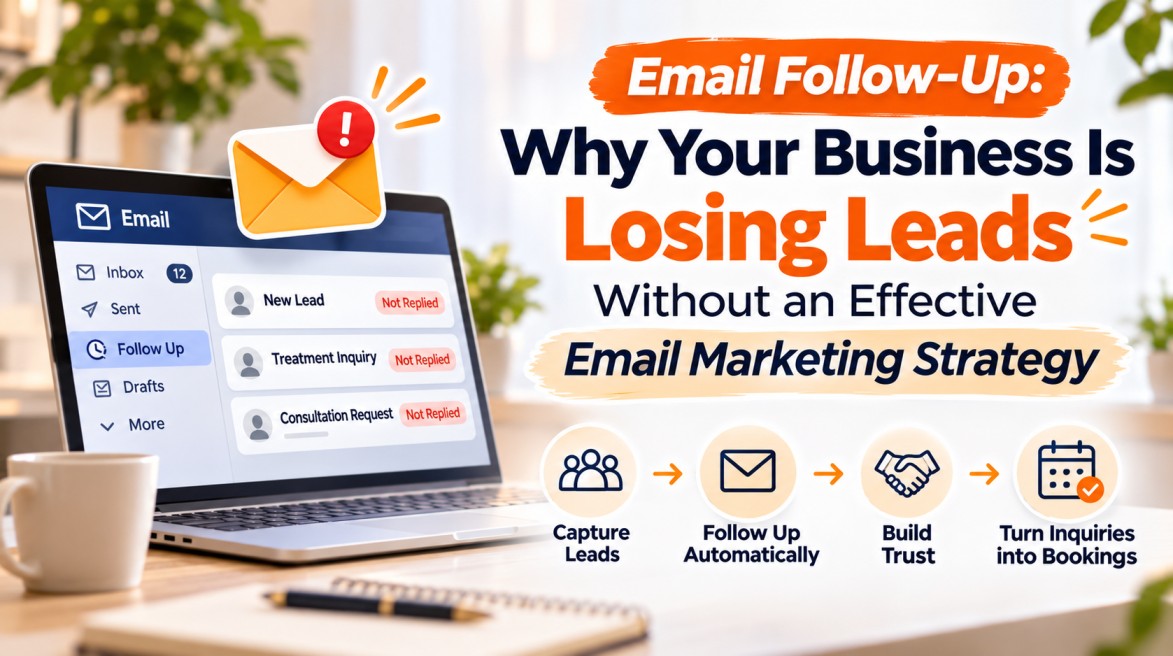
Getting a new enquiry is a positive sign for any business. It means someone has shown interest in your product or service and may be considering becoming a customer. But what happens after that first enquiry? If your business does not follow up at the right time, potential customers may lose interest, choose a competitor, or simply forget about your offer.
Many businesses invest in website development, SEO, paid advertising, and social media campaigns to generate leads. However, generating enquiries is only one part of the customer journey. Without a proper email follow-up process, valuable opportunities can disappear before they turn into paying customers.
An effective email marketing strategy helps businesses stay connected with potential customers through relevant messages, timely reminders, and personalized communication. Whether you receive enquiries through your website, social media, or paid campaigns, having a clear email follow-up system can help you manage leads more efficiently and build stronger customer relationships.
Why Businesses Lose Leads After the First Enquiry
Not every person who contacts your business is ready to make an immediate purchase. Some prospects need additional information, others want to compare different options, and many require time before making a decision.
The problem begins when businesses expect customers to return on their own. Without consistent communication, interested prospects may move on to another company that provides faster responses and better follow-up.
Here are some common reasons businesses lose potential customers:
- Delayed responses: Prospects may lose interest when they do not receive timely communication.
- No follow-up process: Enquiries are received, but nobody is responsible for contacting them again.
- Generic messages: Repeated promotional emails fail to address individual customer needs.
- Poor lead management: Businesses forget which prospects need a reminder or additional information.
- Lack of consistency: One follow-up is sent, but communication stops afterward.
A structured email follow-up process helps businesses avoid these gaps and keep potential customers engaged.

What Is Email Follow-Up and Why Does It Matter?
Email follow-up is the process of sending relevant messages to prospects after they take an action, such as submitting a contact form, requesting a quotation, downloading a resource, or showing interest in a service.
Instead of relying on manual reminders, businesses can create a sequence of messages based on customer behaviour and their position in the buying journey.
For example, when someone submits an enquiry through your website, they can automatically receive a confirmation email. A second email can provide additional information, while a later message can invite them to schedule a consultation.
A well-planned email marketing campaign ensures that communication does not stop after the first interaction. It helps businesses remain visible, answer customer questions, and guide prospects toward the next step without overwhelming them with unnecessary messages.
Five Automated Email Follow-Ups Every Business Should Consider
Send an immediate confirmation when someone submits a website form or requests information. Thank them for reaching out, confirm that their enquiry has been received, and explain what happens next.
Share details about your services, products, process, or solutions. Keep the message focused on the prospect’s needs instead of listing everything your business offers.
Provide helpful information related to the customer’s problem. This could include a blog article, practical guide, checklist, or relevant case study.
If a prospect has not responded, send a polite reminder. You can also invite them to schedule a call, book a consultation, or ask questions about your service.
Some leads become inactive even after showing initial interest. A re-engagement email can restart the conversation by sharing an update, offering useful information, or asking whether they still need assistance.
The timing and number of emails should depend on the customer’s actions, industry, and preferences. Avoid sending too many messages in a short period.
Email Follow-Up Strategy Priorities
How to Write an Effective Email Follow Up Request
Sometimes, businesses need to send a direct email follow up request to a prospect who has not responded to an earlier message. The key is to remain professional, polite, and helpful rather than making the customer feel pressured.
A good follow-up message should:
- Refer briefly to the previous enquiry or conversation.
- Ask whether the prospect has had an opportunity to review the information.
- Offer to answer questions or provide additional details.
- Include a clear next step, such as scheduling a call or replying to the email.
For example, a service provider can write:
“Hi [Name], I wanted to follow up on our previous conversation regarding your enquiry. Have you had a chance to review the details? I’d be happy to answer any questions or discuss the next steps whenever convenient.”
This simple approach keeps communication open while respecting the prospect’s time.
Why Manual Email Follow-Ups Are Not Enough
Manual follow-ups may work when a business receives only a few enquiries each week. However, as the number of prospects increases, managing every conversation becomes difficult.
Sales teams may forget to respond, send duplicate messages, or miss important follow-up dates. These problems can affect the customer experience and reduce the efficiency of the sales process.
Email automation helps businesses organize these activities. With platforms such as HubSpot, Mailchimp, and ActiveCampaign, businesses can create email sequences, segment contacts, schedule campaigns, and monitor engagement.
However, automation should support human communication rather than replace it. Important conversations, pricing discussions, and customer concerns may still require a personal response.
Best Practices for Creating an Effective Email Marketing Strategy
A successful email campaign needs more than attractive templates. Every message should have a clear purpose and provide something useful to the reader.
Consider these practical email marketing best practices:
- Personalize your emails: Use relevant customer information and interests to make messages more meaningful.
- Write clear subject lines: Explain the purpose of the email without using misleading claims.
- Keep messages focused: Avoid long introductions and unnecessary promotional content.
- Include one clear CTA: Encourage readers to reply, book a call, view a service, or take another relevant action.
- Segment your email list: Separate new enquiries, existing customers, inactive leads, and interested prospects.
- Respect email preferences: Follow applicable consent, unsubscribe, and data protection requirements.
- Test your campaigns: Experiment with subject lines, message formats, and sending schedules.
Industry Insights: How Different Businesses Can Use Email Follow-Ups
Email follow-up strategies can support different industries, but the messages should match the customer journey.
Healthcare and MedSpas: Clinics can use email communication for enquiry acknowledgements, consultation information, appointment reminders, and post-visit guidance. Messages should respect patient privacy and applicable healthcare communication requirements.
E-commerce businesses: Online stores can send order confirmations, shipping updates, product recommendations, and abandoned-cart reminders where appropriate.
Real estate businesses: Agents can share property updates, viewing confirmations, relevant listings, and information based on a prospect’s requirements.
Professional service providers: Agencies, consultants, and service companies can use follow-up emails to share proposals, explain their process, answer questions, and schedule discovery calls.
The common goal is to make communication more timely, relevant, and useful.
Final Thoughts
Generating leads is important, but following up with them is what helps move potential customers toward a decision. Without a structured email follow-up process, businesses risk losing valuable opportunities due to delayed responses, inconsistent communication, and poor lead management.
By combining personalized emails, automated workflows, useful content, and performance tracking, businesses can create a more effective customer journey. Whether you run an e-commerce store, healthcare clinic, agency, or professional service business, a well-managed email marketing strategy can help you stay connected with prospects and build lasting customer relationships.
Ready to improve your email follow-up process? Explore how Sun BPO Solutions can help you create smarter email campaigns and automation workflows that support your business growth.
Stay updated with SunBPO Solutions for the latest trends, insights, and strategies to keep your business ahead of the curve!
Frequently Asked Questions (FAQs)
What should an email follow up request include?
An effective email follow up request should briefly mention the previous conversation, politely ask for an update, offer help with any questions, and include a clear next step. It should sound professional and avoid putting pressure on the recipient.
What is email marketing automation?
Email marketing automation uses software to send scheduled or behaviour-based emails automatically. Examples include enquiry confirmations, welcome emails, appointment reminders, abandoned-cart messages, and re-engagement campaigns.
Which tools are useful for email follow-up automation?
Popular platforms include Mailchimp, HubSpot, and ActiveCampaign. The right platform depends on business size, contact management needs, automation requirements, integrations, and budget.

0 Comments