

Table of Contents
Introduction
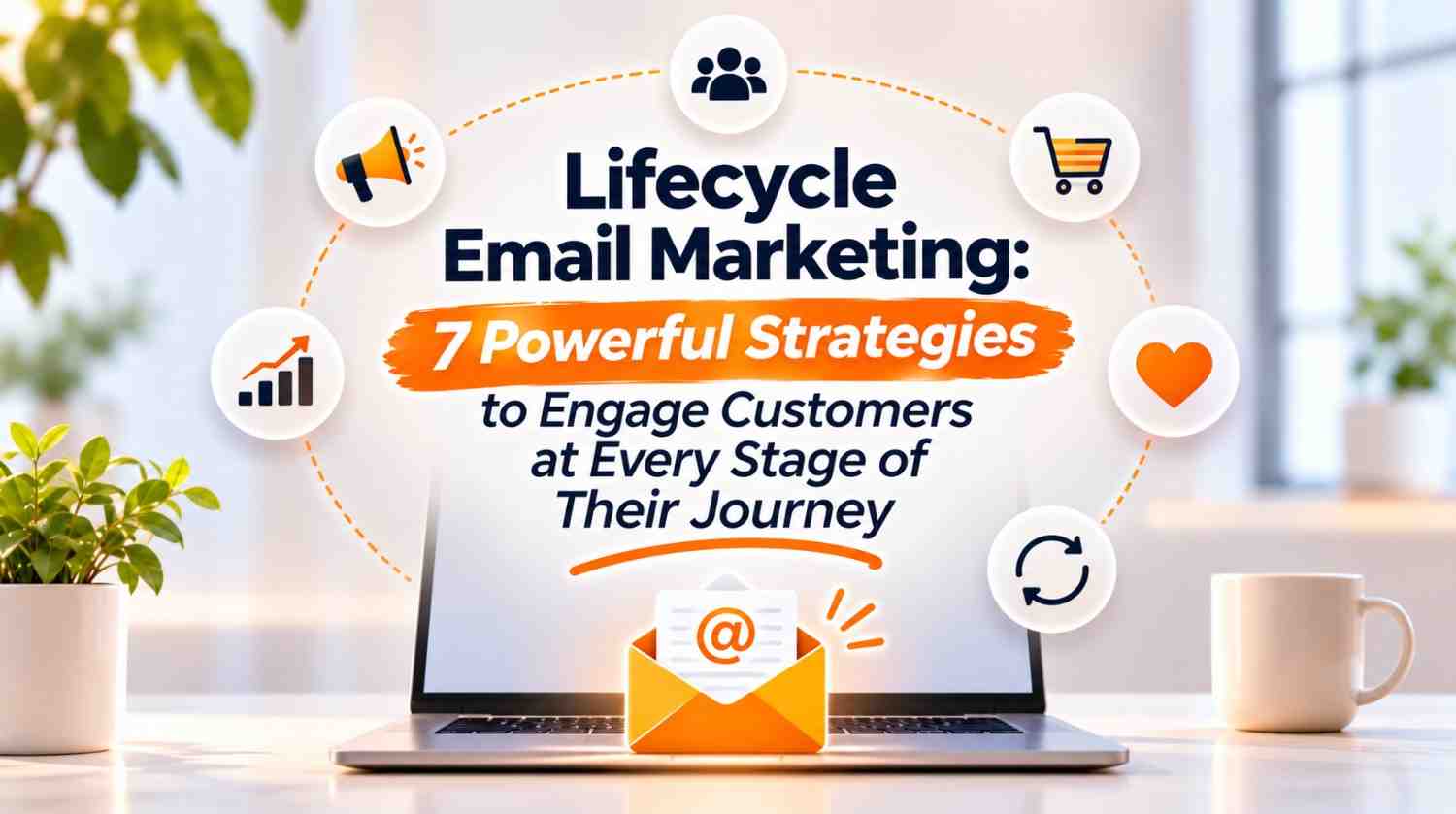
Not every customer is ready to make a purchase when they first discover a business. Some people are exploring their options, others are comparing products, and some may already be existing customers looking for additional services. Sending the same marketing email to everyone can result in low engagement and missed opportunities.
This is where lifecycle email marketing becomes valuable. It allows businesses to send relevant messages based on where customers are in their buying journey. From welcome emails and product recommendations to abandoned cart reminders and re-engagement campaigns, each email has a specific purpose.
With the right email automation strategy, businesses can manage these interactions more efficiently, deliver timely communication, and build stronger customer relationships. The goal is not simply to send more emails but to send the right message at the right time.
What Is Lifecycle Email Marketing?
Lifecycle email marketing is a strategy that delivers targeted emails based on a customer’s relationship with a business. These emails are triggered by customer actions, preferences, purchases, or interactions.
For example, someone who subscribes to a newsletter may receive a welcome email, while an existing customer might receive product recommendations based on previous purchases.
Businesses can use email sending automation to deliver these messages when specific actions occur. Instead of manually contacting every subscriber, automated workflows help maintain consistent communication throughout the customer journey.
7 Important Stages of Lifecycle Email Marketing
The awareness stage begins when someone discovers your business through search engines, social media, advertisements, or referrals. At this point, the person may not know much about your products or services.
Your emails should introduce your brand, explain what you offer, and provide useful information rather than immediately pushing for a sale.
For example, a digital marketing company can share an introductory email explaining its services, followed by helpful resources about SEO, advertising, or lead generation.
Once subscribers become familiar with your business, they may start comparing solutions and evaluating whether your products or services meet their needs.
This is the right time to share educational emails, customer stories, product comparisons, case studies, and answers to frequently asked questions.
Useful consideration-stage emails include:
- Product or service guides.
- Educational newsletters.
- Customer testimonials with appropriate permission.
- Frequently asked questions.
- Relevant case studies and demonstrations.
The goal is to help potential customers make informed decisions while building confidence in your business.
At the conversion stage, subscribers are closer to making a decision. They may have visited your pricing page, explored a product, requested information, or added something to their shopping cart.
A well-timed email can remind them of the value your business provides and make the next step easier.
For ecommerce businesses, this might include an abandoned cart reminder. For service businesses, it could be an invitation to schedule a consultation or request a quotation.
Keep your message focused, include a clear call to action, and avoid creating unnecessary pressure.
The customer journey does not end when someone makes a purchase. The next step is helping them understand how to use the product or get the most from the service.
A welcome or onboarding email sequence can introduce important information, explain next steps, and reduce confusion.
For example, a software company might send a setup guide, feature tutorial, and tips for getting started. A service provider could share an onboarding checklist and explain how customers can contact the support team.
Acquiring a new customer often requires considerable marketing effort. Businesses should also focus on maintaining relationships with people who have already purchased.
Retention emails can include useful updates, product recommendations, loyalty information, educational resources, and relevant offers.
Personalization is important at this stage. Rather than sending every customer the same promotion, use relevant information and preferences to make communication more useful.
Loyal customers may purchase repeatedly, recommend your business, and engage with your content. Lifecycle email marketing helps maintain these relationships through thoughtful communication.
Consider sending:
- Exclusive updates or early access to new products.
- Loyalty program information.
- Personalized recommendations.
- Customer appreciation emails.
- Invitations to relevant events or communities.
The aim is to make customers feel valued without overwhelming their inboxes.
Some subscribers gradually stop opening emails or interacting with your business. This does not always mean they have lost interest permanently.
A re-engagement campaign can remind inactive subscribers about your brand and give them a reason to reconnect.
You can share new products, useful resources, preference updates, or a relevant offer. If subscribers remain inactive, consider reducing email frequency or removing them from regular marketing campaigns according to your consent and list-management policies.
Lifecycle Email Campaign Allocation
How to Build an Effective Lifecycle Email Marketing Strategy
A successful campaign requires more than creating attractive email templates. Businesses need to understand their audience, define customer stages, and select suitable automation triggers.
Start by mapping the customer journey. Identify how people discover your business, what information they need before purchasing, and what communication is useful after the sale.
Next, divide subscribers into relevant groups based on their actions and preferences. Choose suitable email marketing tools that support segmentation, workflow creation, reporting, and integration with your existing systems.
Finally, monitor campaign performance and improve your emails based on actual customer behavior. formats and file limits may change.
How Email Automation and Email Sending Automation Work Together
Managing every customer interaction manually can become difficult as a business grows. Email automation helps businesses create workflows that respond to specific customer actions.
For example, a new subscriber can automatically receive a welcome sequence, while a customer who completes a purchase can enter an onboarding workflow.
Email sending automation handles the delivery of scheduled or triggered messages. It can support abandoned cart reminders, renewal notifications, follow-up emails, and re-engagement campaigns.
A well-designed workflow should include a clear trigger, relevant email content, suitable timing, and an appropriate next step. Businesses should also check that subscribers have the required marketing permissions and that their preferences are respected.
Automation should not replace thoughtful communication. Regularly review workflows to ensure that messages remain relevant, accurate, and useful.
Choosing the Right Email Marketing Tools
The right platform can make lifecycle email marketing easier to manage. Different email marketing tools offer different features, so businesses should select a solution based on their needs rather than choosing a platform only because it is popular.
Common options include:
- Mailchimp: Useful for email campaigns, audience management, and automated marketing workflows.
- HubSpot: Combines email marketing with CRM and broader marketing automation features.
- ActiveCampaign: Offers automation workflows, segmentation, and customer communication features.
Before selecting a tool, consider your contact list size, budget, integration needs, reporting requirements, and workflow complexity.
Best Practices for Better Lifecycle Email Marketing
To improve your email marketing strategy, focus on relevance, timing, and customer experience.
- Personalize communication: Use relevant customer information and preferences where permitted.
- Choose the right timing: Send emails based on meaningful customer actions rather than an arbitrary schedule.
- Write clear subject lines: Explain the value of opening the email without using misleading claims.
- Use mobile-friendly designs: Make emails easy to read and interact with on different devices.
- Include clear calls to action: Help readers understand what to do next.
- Respect subscriber preferences: Provide clear unsubscribe options and follow applicable email marketing and privacy requirements.
- Test and improve: Compare subject lines, content, timing, and calls to action.
Final Thoughts
Lifecycle email marketing helps businesses build stronger customer relationships by delivering relevant communication at different stages of the buying journey. From introducing a brand and nurturing potential customers to supporting repeat purchases and re-engaging inactive subscribers, every email can serve a clear purpose.
By combining audience segmentation, email automation, suitable email marketing tools, and effective email sending automation, businesses can create a more organized and consistent communication strategy.
The key is to focus on customer needs rather than simply increasing the number of emails sent. When communication is timely and valuable, email can become an important part of long-term customer engagement and business growth.
Ready to strengthen your online presence? Explore how Sun BPO Solutions can help your business improve SEO, manage its digital reputation, and build stronger online visibility. Stay updated with SunBPO Solutions for the latest trends, insights, and strategies to keep your business ahead of the curve!
Frequently Asked Questions (FAQs)
What is lifecycle email marketing?
Lifecycle email marketing is a strategy that sends targeted emails based on a customer’s stage in their relationship with a business. It includes welcome, educational, conversion, onboarding, retention, loyalty, and re-engagement emails.
How does email automation help businesses?
Email automation helps businesses send relevant messages automatically when customers take specific actions, such as subscribing, purchasing, or abandoning a shopping cart. It reduces repetitive manual work and supports consistent communication.
What are the best email marketing tools for lifecycle campaigns?
Popular options include Mailchimp, HubSpot, and ActiveCampaign. Businesses should compare their automation features, segmentation options, integrations, pricing, and reporting capabilities before selecting a platform.

0 Comments