





Table of Contents
Introduction
Email marketing continues to be one of the most reliable and high-performing digital channels. Despite new platforms emerging, businesses still depend on email to build relationships, nurture leads, and drive conversions.
To succeed, it’s important to understand both the advantages of email marketing and disadvantages of email marketing while applying the right email marketing strategy. When combined with proven email marketing best practices, businesses can achieve consistent and measurable growth
What Is Email Marketing?
Email marketing is a digital strategy that involves sending targeted messages to a group of subscribers.
It is used for:
- Promotions and offers
- Newsletters
- Customer engagement
- Lead nurturing
A strong email marketing strategy ensures that your campaigns are aligned with business goals.
Advantages of Email Marketing
Email marketing is relatively low-cost compared to paid advertising.
- No large ad budgets required
- High return on investment
- Scalable campaigns
This makes it ideal for businesses of all sizes.
Emails allow businesses to communicate directly with their subscribers.
- Personalized messaging
- Targeted campaigns
- Stronger relationships
Direct communication improves engagement. rankings.
Email marketing is known for strong conversion performance.
- Targeted audience
- Personalized offers
- Clear call-to-action
This makes it effective for sales and lead generation.s better in search results. users engaged.
Businesses can track key metrics such as:
- Open rates
- Click-through rates
- Conversion rates
These insights help improve campaigns.
Email marketing helps maintain long-term relationships.
- Regular communication
- Personalized offers
- Loyalty programs
This improves customer retention.
Email Marketing Strategy Breakdown
Disadvantages of Email Marketing
1. Email Overload: Users receive multiple emails daily, making it harder to capture attention.
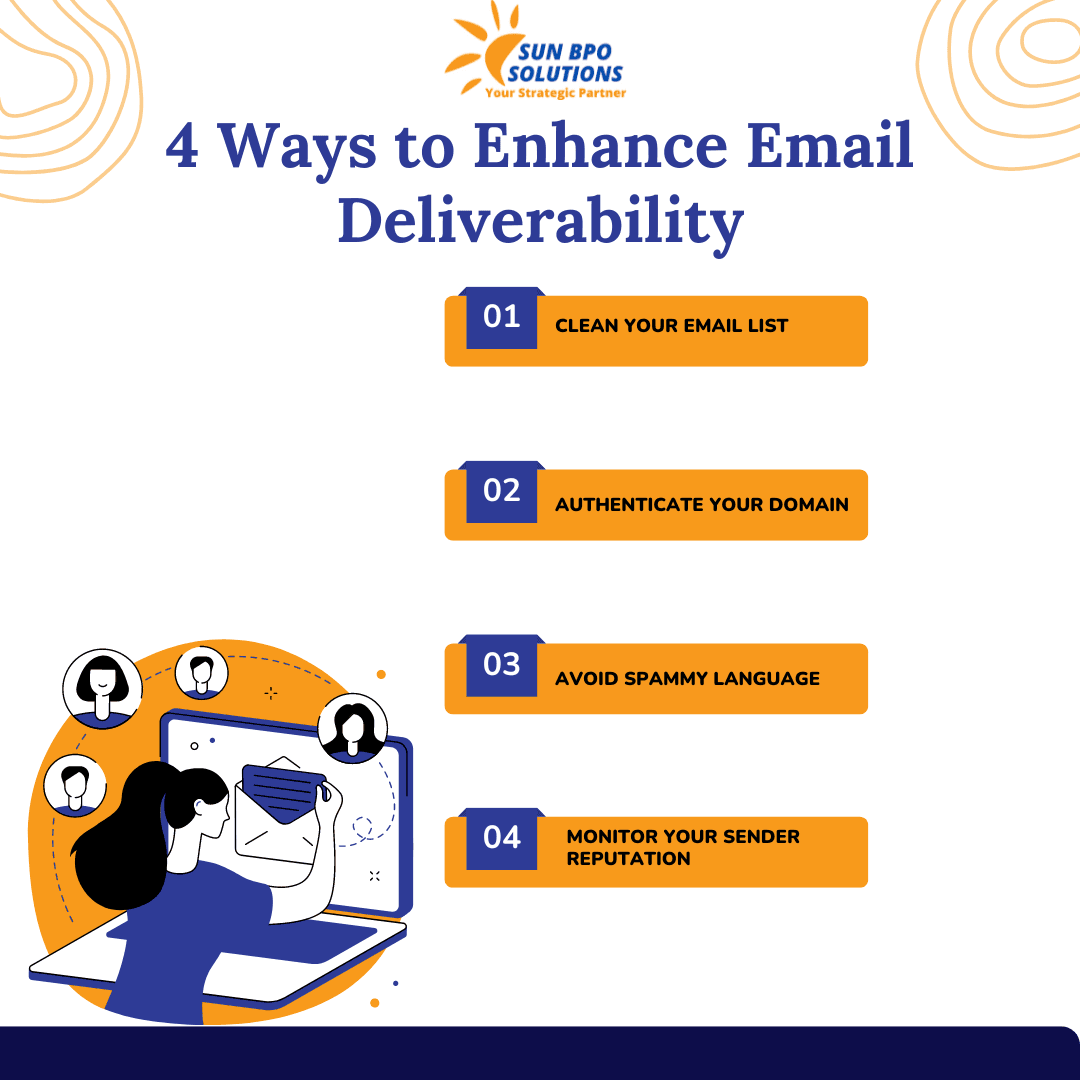
2. Spam Filters: Emails may land in spam folders, reducing visibility and engagement.
3. Requires Consistency: Regular content creation and campaign management require time and effort.
4. Design Challenges: Emails must be optimized for different devices and formats.
5. Dependency on Subscriber List: Without a strong email list, results can be limited.
Guidance to Improve Email Marketing
- Use automation for lead nurturing and follow-ups
- Personalize emails based on user behavior and preferences
- Focus on value-driven content instead of constant promotion
- Write compelling subject lines to improve open rates
- Segment your audience for better targeting
- Maintain consistency with a clear email schedule
- Optimize emails for mobile devices
Tools to Improve Email Marketing
Businesses can use:
- Email automation platforms
- Analytics tools
- CRM systems
- A/B testing tools
- Design and template tools
These tools help improve efficiency and results.
Future Trends in Email Marketing
Email marketing continues evolving with new trends:
- AI-driven personalization
- Interactive emails
- Predictive analytics
- Automation workflows
- Mobile-first design
Businesses that adapt will stay ahead.
Final Thoughts
Email marketing remains a powerful tool when used strategically. By understanding the advantages and disadvantages of email marketing, businesses can create campaigns that drive engagement, conversions, and long-term growth.
The key to success lies in personalization, consistency, and continuous optimization.
Want email campaigns that drive real results? Contact us today, and let’s build a powerful email marketing strategy for your online business.
Claim your free digital marketing audit.
Stay updated with SunBPO Solutions for the latest trends, insights, and strategies to keep your business ahead of the curve!
Frequently Asked Questions (FAQs)
What are the disadvantages of email marketing?
Email overload, spam issues, and dependency on subscriber lists.
Is email marketing still effective?
Yes, it remains one of the most reliable marketing channels.
What is the key to successful email marketing?
Consistency, value-driven content, and optimization.



0 Comments