






Table of Contents
Introduction
Many business owners start their entrepreneurial journey by handling every task themselves. From responding to emails and scheduling meetings to managing customer inquiries and overseeing daily operations, wearing multiple hats is often necessary in the early stages. However, as a company grows, a skilled virtual assistant can help solve this challenge.
When every process depends on one person, growth slows, productivity suffers, and opportunities are missed. Instead of focusing on strategy, innovation, and revenue-generating activities, business owners become trapped in administrative work. This is one of the biggest reasons businesses struggle to scale.
A skilled virtual assistant can help solve this challenge by taking ownership of routine responsibilities and creating operational efficiency. Whether through administrative support, customer service, or virtual assistant marketing assistance, virtual assistants allow business owners to focus on the areas that truly drive growth.
This guide explores why businesses hit growth barriers, how virtual assistant services create scalability, and why delegation is essential for long-term success.
Why Businesses Struggle to Scale
Many growing businesses reach a point where demand increases, but operations become harder to manage.
Common challenges include:
- Limited time and capacity
- Administrative overload
- Delayed decision-making
- Reduced productivity
- Increased stress and burnout
- Difficulty focusing on growth initiatives
When business owners become the center of every process, the company becomes dependent on their availability rather than efficient systems.
The Hidden Cost of Doing Everything Yourself
Many entrepreneurs believe managing everything themselves saves money. However, the real cost is often measured in missed opportunities.
Time spent on repetitive tasks reduces the ability to focus on:
- Business development
- Strategic planning
- Client acquisition
- Revenue growth
- Team leadership
As operations expand, administrative responsibilities increase. Without delegation, growth becomes increasingly difficult.
What Is a Virtual Assistant?
A virtual assistant is a remote professional who provides support services to businesses and entrepreneurs.
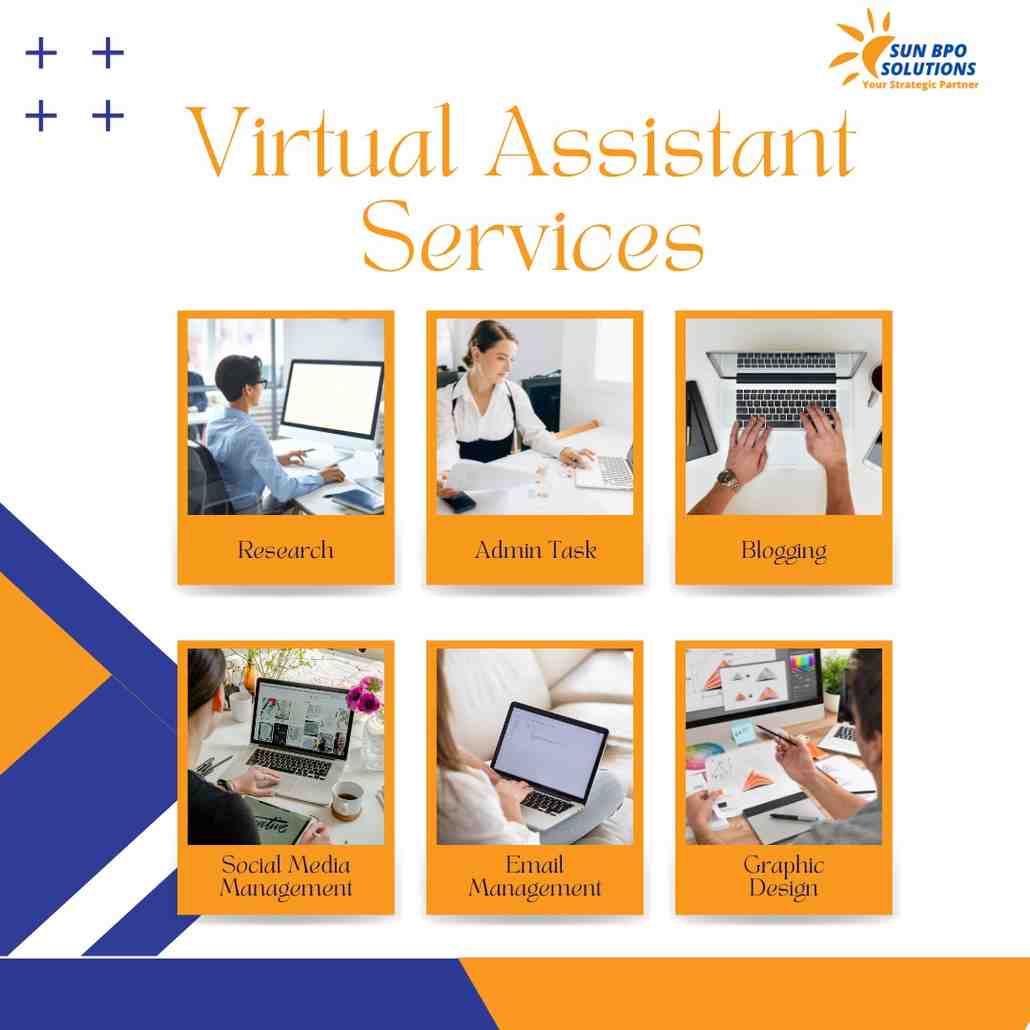
Depending on business needs, virtual assistant services may include:
- Administrative support
- Customer service
- Data entry
- Appointment scheduling
- Calendar management
- Research tasks
- Social media support
- Document organization
A skilled virtual assistant acts as an extension of the business, helping streamline operations while improving efficiency.
How Virtual Assistant Services Support Business Growth
Delegating routine responsibilities allows business owners to focus on high-value activities.
Teams become more efficient when repetitive tasks are handled consistently.
Prompt responses and organized communication improve customer satisfaction.
Virtual assistants help establish systems and workflows that reduce bottlenecks.
Many businesses benefit from scalable support without the commitment of full-time hiring.
These advantages make virtual assistant services a practical solution for businesses looking to grow sustainably.
Tasks Most Commonly Delegated to Virtual Assistants
Signs Your Business Needs a Virtual Assistant
Many business owners delay delegation longer than necessary.
Warning signs include:
- Constantly working overtime
- Missing deadlines
- Falling behind on emails
- Difficulty managing schedules
- Increased stress levels
- Lack of time for growth initiatives
If these challenges occur regularly, additional support may be necessary.
Tasks You Should Delegate First
Not every responsibility requires direct involvement from the business owner.
- Administrative Tasks: Managing day-to-day operational activities that consume valuable time. your personal brand and keeps you visible within your professional network.
- Email Management: Organizing inboxes, responding to routine inquiries, and prioritizing important communications.
- Calendar and Scheduling: Managing appointments, meetings, reminders, and availability.
- Customer Support: Handling customer questions, follow-ups, and service-related communications.
- Data Entry and Reporting: Maintaining spreadsheets, updating records, and organizing business data.
- Document Management: Creating, organizing, and maintaining important business documents.
- Research Tasks: Conducting market research, competitor analysis, and information gathering.
- Social Media Support: Scheduling posts, monitoring engagement, and assisting with virtual assistant marketing activities.
The Role of Virtual Assistant Marketing Support
Beyond administrative work, many virtual assistants provide valuable marketing assistance.
Virtual assistant marketing services may include:
- Social media scheduling
- Content publishing
- Lead generation support
- Email marketing assistance
- Competitor research
- CRM updates
This support allows business owners to maintain consistent marketing efforts while focusing on strategic decision-making.
Building Systems for Long-Term Scalability
Growing businesses rely on systems rather than individual effort alone.
Virtual assistants help create:
- Standard operating procedures
- Organized workflows
- Documentation systems
- Communication processes
- Task management structures
When processes are documented and repeatable, businesses become more scalable and less dependent on a single person.,
Common Delegation Mistakes
Even when businesses decide to delegate, mistakes can reduce effectiveness.
Common issues include:
- Waiting too long to seek support
- Providing unclear instructions
- Micromanaging delegated tasks
- Failing to document processes
- Expecting immediate perfection
Successful delegation requires communication, training, and trust. significantly improve profile performance and visibility.
Industry Insights: Why the Virtual Assistant Business Is Growing
The virtual assistant business continues to expand as companies embrace remote work and digital operations. Businesses increasingly recognize the value of flexible support solutions that improve productivity while controlling costs.
Industries such as real estate, e-commerce, consulting, healthcare, and digital marketing are among the biggest users of virtual assistants today.
As technology continues evolving, demand for skilled virtual assistants is expected to grow even further.
Final Thoughts
Businesses cannot scale efficiently when every task depends on the owner. While managing everything yourself may seem practical initially, it eventually creates operational bottlenecks that limit growth.
A skilled virtual assistant provides the support necessary to streamline operations, improve productivity, and free up time for strategic initiatives. Through professional virtual assistant services, businesses can build systems, improve customer experiences, and create sustainable growth opportunities.
As the virtual assistant business continues growing, organizations that embrace delegation and leverage virtual assistant marketing support will be better positioned to scale successfully and remain competitive.
Claim your free digital marketing audit.
Stay updated with SunBPO Solutions for the latest trends, insights, and strategies to keep your business ahead of the curve!
Frequently Asked Questions (FAQs)
What is virtual assistant marketing?
Virtual assistant marketing includes tasks such as social media management, content scheduling, email marketing support, and lead generation assistance.
What tasks should be delegated first?
Email management, scheduling, customer support, administrative work, data entry, and social media support are excellent starting points.
Why is the virtual assistant business growing?
Businesses increasingly prefer flexible, cost-effective support solutions that improve productivity without requiring full-time in-house staff.



0 Comments