




Table of Contents
Introduction
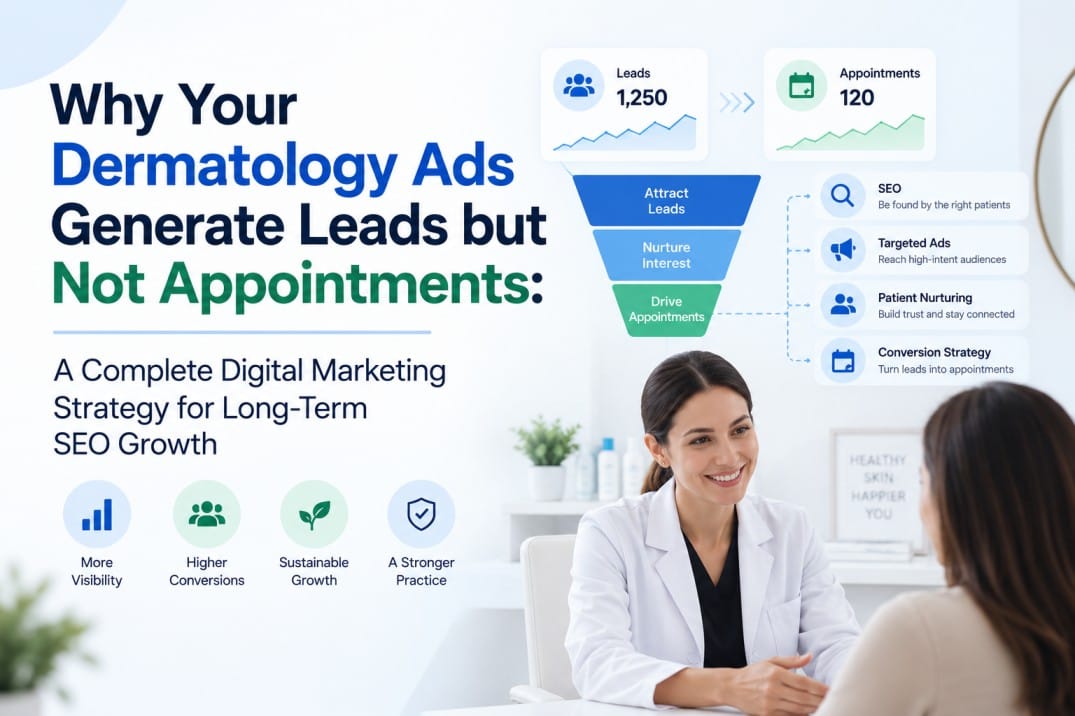
Your dermatology ads are generating clicks, form submissions, and inquiries, but your appointment calendar may still have empty spaces. This can be frustrating, especially when your practice is investing time and money into digital advertising.
However, generating a lead and converting that lead into a booked appointment are two different goals. A potential patient may submit a form because they are interested in a treatment, but they may not be ready to schedule. They could still be comparing dermatologists, researching prices, reading reviews, or questioning whether your clinic is the right choice.
The solution is not always to increase your advertising budget. Instead, your practice needs a complete digital marketing strategy that connects paid advertising, social media, website content, patient trust, follow-up, and long-term SEO growth.
Build an SEO Foundation That Helps Patients Make Decisions
- Create Dedicated Treatment Pages
Create separate treatment pages for services such as acne treatment, laser procedures, and cosmetic dermatology. Each page should explain the service, consultation process, preparation, aftercare, realistic expectations, and common patient questions. Use relevant keywords naturally and include provider credentials, FAQs, and a clear appointment call to action.
- Improve Local Search Visibility
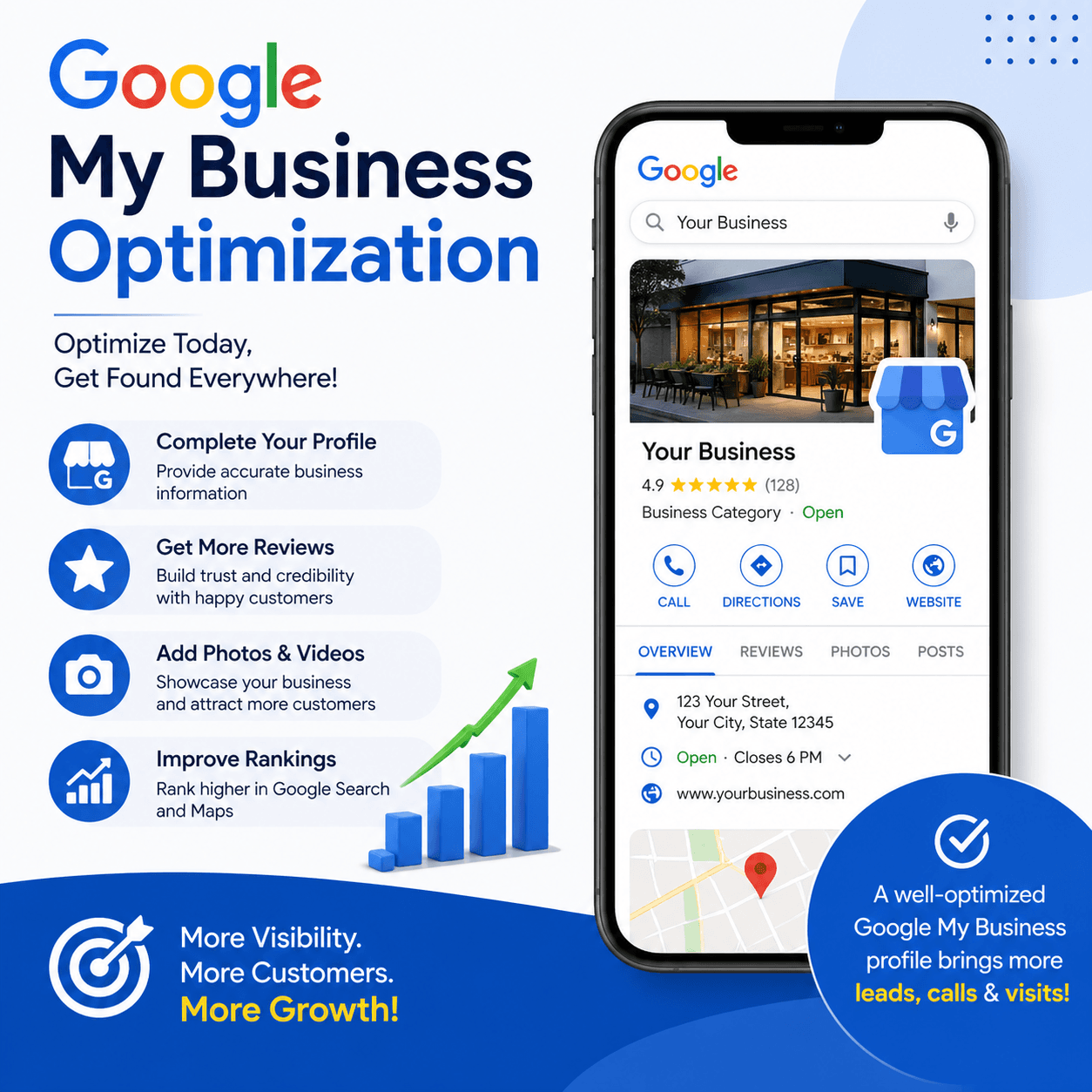
Improve your local visibility by maintaining an accurate Google Business Profile with updated contact details, services, opening hours, photographs, and genuine patient reviews. Add location-based content to your website and keep your business information consistent across online directories.
- Share Helpful Educational Content
Publish blogs, videos, FAQs, and social media posts that answer common patient questions about skin concerns, treatments, sun protection, and consultations. Accurate, expert-reviewed content builds trust, supports EEAT, and helps visitors feel more confident about booking an appointment.
Strengthen Your Digital Marketing Strategy for Better Conversions
- Combine Paid Advertising with Long-Term SEO Growth
Combine paid advertising with SEO to generate immediate visibility while building sustainable organic traffic. Paid ads attract potential patients quickly, while optimized treatment pages, local SEO, reviews, and educational content support long-term SEO growth.
- Use Paid Social Media Ads to Build Awareness
Use paid social media ads to promote educational content, treatment information, provider introductions, and consultation offers. Target local audiences carefully and connect each advertisement to a relevant treatment page to improve lead quality and appointment conversions.
- Improve Your Paid Ads Management Process
Improve paid ads management by tracking qualified leads, appointment bookings, cost per booked appointment, and consultation attendance. Regularly review targeting, ad messaging, landing pages, and follow-up processes to reduce wasted spending and improve campaign performance.
Why Your Dermatology Ads Generate Leads but Not Appointments
Many dermatology ads focus on treatment discounts, attractive visuals, or promises of improved appearance. These elements may capture attention, but they do not always answer the questions patients have before choosing a dermatologist.
Patients want to know whether the provider is qualified, whether the treatment is suitable for their needs, and whether other patients have had a positive experience. They may also want to understand what happens during the consultation and what results they can realistically expect.
If your ads focus only on promotion, visitors may submit a form but hesitate to book. Effective dermatology marketing should communicate expertise, professionalism, patient experience, and realistic expectations.
Trust should be built through clear provider information, genuine reviews, educational content, clinic photographs, and transparent treatment details. These signals help patients feel more confident about taking the next step.
A common problem with dermatology ads is sending every visitor to the homepage. If the advertisement promotes acne treatment, laser treatment, or cosmetic injectables, the visitor should be directed to a dedicated page about that specific service.
When users have to search through a general website to find the treatment mentioned in the ad, they may leave before contacting the practice. A dedicated landing page creates a smoother experience because the visitor immediately sees information related to their original search.
The landing page should include a relevant headline, treatment information, provider credentials, patient reviews, frequently asked questions, location details, and a simple appointment option. It should also explain what patients can expect during the consultation so they feel more prepared to book.
A person who contacts your dermatology practice may also contact several competitors. If your team takes too long to respond, the potential patient may book with another clinic.
Fast follow-up is an important part of paid ads management. Every lead should be tracked, assigned, and contacted as quickly as possible during business hours. A quick response shows that your practice is organized and attentive.
An effective follow-up process may include a phone call, a personalized text message, or an email with useful information. The message should answer the patient’s initial question and provide a direct path to schedule an appointment. Automated confirmations can improve efficiency, but communication should still feel personal.
Even interested leads may abandon the process if booking requires too many steps. A long form, unclear phone number, limited appointment information, or slow website can create unnecessary friction.
Your appointment process should be simple and mobile-friendly. Make the phone number easy to find, use clear booking buttons, and avoid asking for unnecessary information before the consultation.
A smooth booking process can make a major difference. When patients can quickly understand what to do next, they are more likely to complete the appointment request instead of leaving the website.
Common Reasons Dermatology Leads Do Not Book
How AI Personalized Content Supports Digital Marketing
AI personalized content refers to content adapted to the interests, questions, or behavior of a specific audience.
For healthcare practices, this may include personalized email campaigns, website recommendations, educational resources, social media messages, and follow-up content.
For example, a nutrition practice may create separate content for people interested in healthy meal planning, sports nutrition, digestive wellness, or family nutrition. A dermatology clinic may provide different educational resources for patients researching acne, pigmentation, hair loss, or cosmetic treatments.
Personalized content can improve engagement because it gives users information that is more relevant to their needs.
However, healthcare content must never become overly promotional or make unsupported medical claims. It should educate first and encourage patients to seek professional advice when necessary.
Industry Insight: Focus on Patient Quality, Not Just Lead Volume
The most successful dermatology marketing campaigns do not simply generate the highest number of leads. They attract patients who are more likely to need the service, trust the provider, and schedule a consultation.
This is why paid ads management should be connected to customer relationship management and appointment data. When your team knows which campaigns produce qualified patients, it can invest more effectively and reduce wasted advertising spend.
Paid ads social media campaigns, search advertising, SEO, and content marketing should work together. Advertising data can reveal which treatments receive the most interest, while SEO content can answer the questions those potential patients are asking.
Over time, this integrated approach creates stronger visibility, better patient experiences, and more sustainable growth.
Final Thoughts
If your dermatology ads generate leads but not appointments, the problem may not be the number of people seeing your advertisements. The issue may be weak trust signals, poor landing pages, slow follow-up, complicated booking, or a lack of long-term organic visibility.
A complete digital marketing strategy combines dermatology ads, paid ads management, paid ads social media campaigns, website optimization, local SEO, and patient-focused content. This approach helps your practice attract better leads and guide them toward confident booking decisions.
Long-term SEO growth is especially important because it builds visibility and credibility beyond the lifespan of a paid campaign. By improving every stage of the patient journey, your dermatology practice can turn more inquiries into appointments and build a stronger foundation for sustainable growth.
Stay updated with SunBPO Solutions for the latest trends, insights, and strategies to keep your business ahead of the curve!
Frequently Asked Questions (FAQs)
How can paid ads management improve dermatology marketing results?
Paid ads management improves results by tracking lead quality, testing campaign messaging, optimizing landing pages, adjusting audience targeting, and measuring booked appointments instead of focusing only on clicks or form submissions.
Are paid ads social media campaigns effective for dermatology practices?
Yes, paid ads social media campaigns can help dermatology practices reach local audiences, promote educational content, introduce providers, and generate treatment inquiries. Campaigns should focus on trust and patient education rather than discounts alone.
What should a dermatology landing page include?
A dermatology landing page should include relevant treatment information, provider credentials, patient reviews, realistic expectations, frequently asked questions, location details, and a clear appointment call to action.


0 Comments