






Table of Contents
Introduction
Content strategy for business is the foundation of successful digital growth in today’s competitive market. Many businesses are actively creating content—posting on social media, writing blogs, and sharing updates regularly—but still struggle to see real results.
The reason is simple: without a clear strategy, content lacks direction and purpose. To achieve meaningful outcomes, businesses need more than just content—they need a structured approach that aligns with goals, targets the right audience, and drives measurable growth.
To succeed in today’s competitive digital landscape, businesses need more than content—they need a clear and structured content strategy for business growth. A strong strategy ensures that every piece of content serves a purpose, reaches the right audience, and drives measurable results.
Content vs Content Strategy: What’s the Difference?
Creating content means producing blogs, posts, videos, or emails.
A content marketing strategy, on the other hand, is a planned approach that defines:
- What content to create
- Who the target audience is
- Where to publish content
- How to measure success
Without a strategy, content becomes inconsistent and ineffective. their digital marketing strategies and create more targeted campaigns.
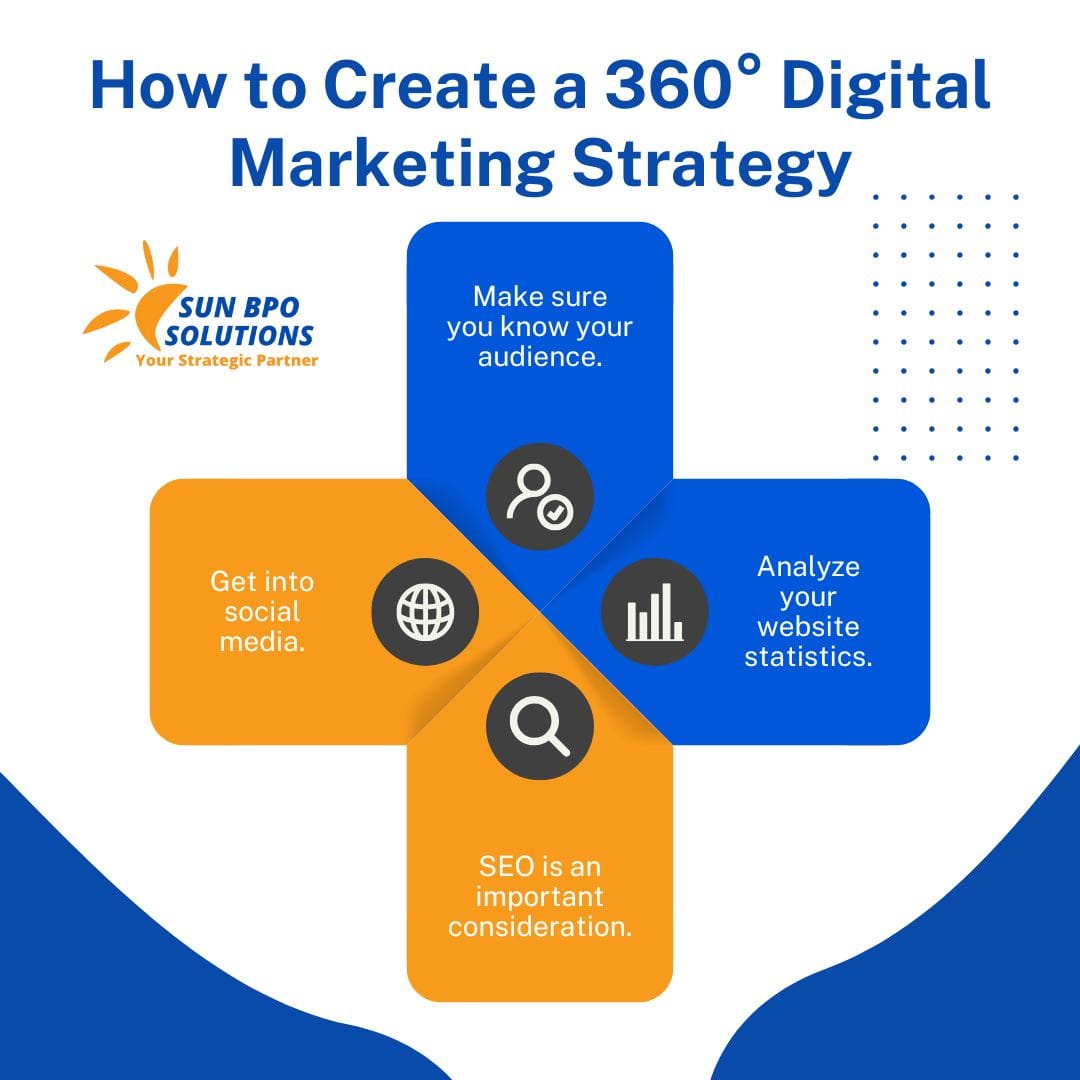
Why Businesses Fail Without a Content Strategy
Many businesses focus on quantity instead of quality and direction.
Common problems include:
- Posting without clear goals
- Targeting the wrong audience
- Lack of consistency
- No performance tracking
- Poor content alignment with business objectives
These issues limit growth and reduce ROI.
Why Your Business Needs a Content Strategy
A strong strategy ensures that your content supports your business objectives.
Whether your goal is brand awareness, lead generation, or sales, every piece of content should contribute to achieving it.
Understanding your audience is key to success.
A structured content strategy for business helps identify:
- Customer needs
- Interests and preferences
- Pain points
This allows you to create relevant and engaging content.
Consistency builds trust.
With a proper strategy, businesses can maintain:
- Regular posting schedules
- Consistent tone and messaging
- Strong brand identity
This improves recognition and credibility. smarter and more relevant experiences.s visibility in the Gmail grid.
Content strategy plays a major role in search engine optimization.
By using targeted keywords and structured content, businesses can improve visibility and attract organic traffic.
This strengthens overall content marketing strategy performance.t in digital marketing strategies.
Strategic content guides users through the customer journey.
From awareness to conversion, content helps:
- Educate potential customers
- Build trust
- Encourage action
This improves lead generation and sales.
A strategy includes tracking performance metrics.
Businesses can analyze:
- Engagement rates
- Website traffic
- Conversion rates
This data helps refine and improve content efforts.
Key Elements of Content Strategy
Key Elements of a Successful Content Strategy
To build an effective strategy, businesses should focus on:
- Clear goals and objectives
- Defined target audience
- Content planning and calendar
- SEO optimization
- Content distribution channels
- Performance tracking
These elements ensure long-term success. plan and improve performance. performance.
Tools to Build a Strong Content Strategy
Businesses can use various tools to improve their strategy:
- Content planning tools
- SEO tools
- Analytics platforms
- Social media schedulers
- Content management systems
These tools help streamline processes and improve efficiency.
Tips to Improve Your Content Strategy
- Focus on quality over quantity
- Create value-driven content
- Use storytelling to engage audiences
- Optimize content for SEO
- Analyze and refine your strategy regularly
Continuous improvement is key. will stay competitive..
Future of Content Marketing Strategy
Content marketing continues evolving with new trends.
Key trends include:
- AI-generated content
- Personalized content experiences
- Video-first strategies
- Interactive content formats
- Data-driven content planning
Businesses that adapt will stay competitive.
Final Thoughts
Content alone is not enough to drive results. Without a clear direction, even the best content can fail to deliver impact.
A strong content marketing strategy ensures that your efforts are focused, consistent, and aligned with your business goals. It transforms content from random posts into a powerful growth tool.
If you want to stand out and achieve real results, it’s time to move from content creation to strategic content marketing.
Claim your free digital marketing audit.
Stay updated with SunBPO Solutions for the latest trends, insights, and strategies to keep your business ahead of the curve!
Frequently Asked Questions (FAQs)
Why is a content marketing strategy important?
It ensures content is aligned with business objectives and delivers measurable results.
What are the key elements of a content strategy?
Goals, audience targeting, content planning, SEO, and performance tracking.
Can small businesses benefit from content strategy?
Yes, it helps them compete effectively and grow their online presence.



0 Comments