



Table of Contents
Introduction
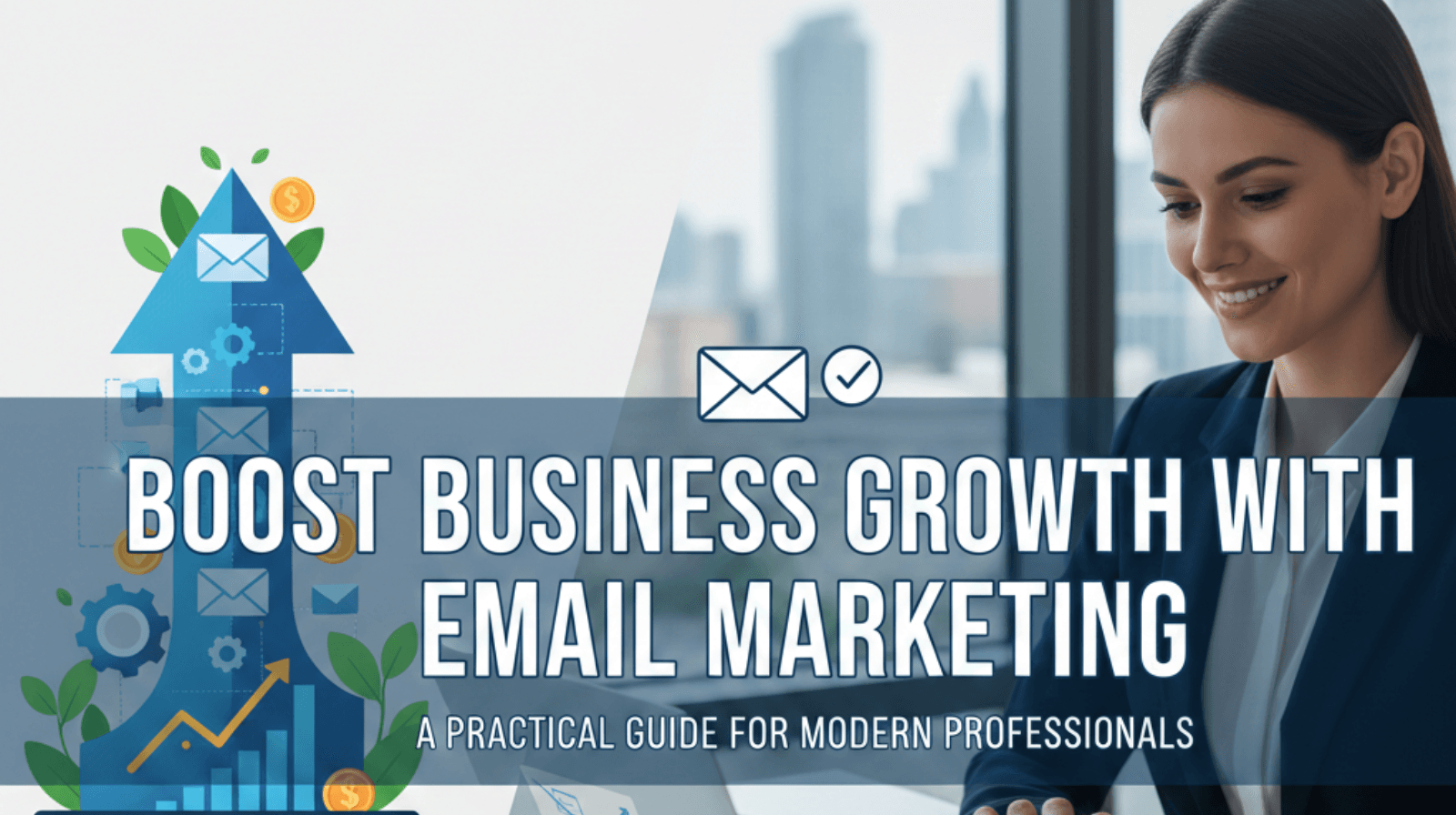
In a digital world filled with ads, algorithms, and constant platform changes, email marketing for business continues to deliver consistent and measurable results. For professionals across industries—including consulting, B2B services, and even email marketing for healthcare—email remains one of the most trusted channels for building relationships and driving leads.
This email marketing guide explains how professionals can use email marketing strategically for lead generation, authority building, and long-term growth.
Why Email Marketing Still Matters for Professionals
Email marketing remains powerful because it is:
- Permission-based and direct
- Highly personal and customizable
- Cost-effective with strong ROI
- Ideal for long sales cycles
For professionals, email isn’t about volume—it’s about relevance and trust.
Email Marketing for Lead Generation: How It Drives Growth
One of the strongest use cases is email marketing for lead generation.
Email helps you:
- Nurture prospects over time
- Educate before selling
- Stay top-of-mind
- Convert warm leads into clients
Instead of pushing sales, email builds readiness.step.
Building a Strong Email Marketing Foundation
Every campaign should serve a purpose.
Common goals include:
- Generating qualified leads
- Booking consultations
- Retaining existing clients
- Upselling services
Clear goals guide messaging and structure. and small teams.
Successful email marketing for business starts with the right audience.
Best practices:
- Use opt-in forms and lead magnets
- Segment subscribers by interest or role
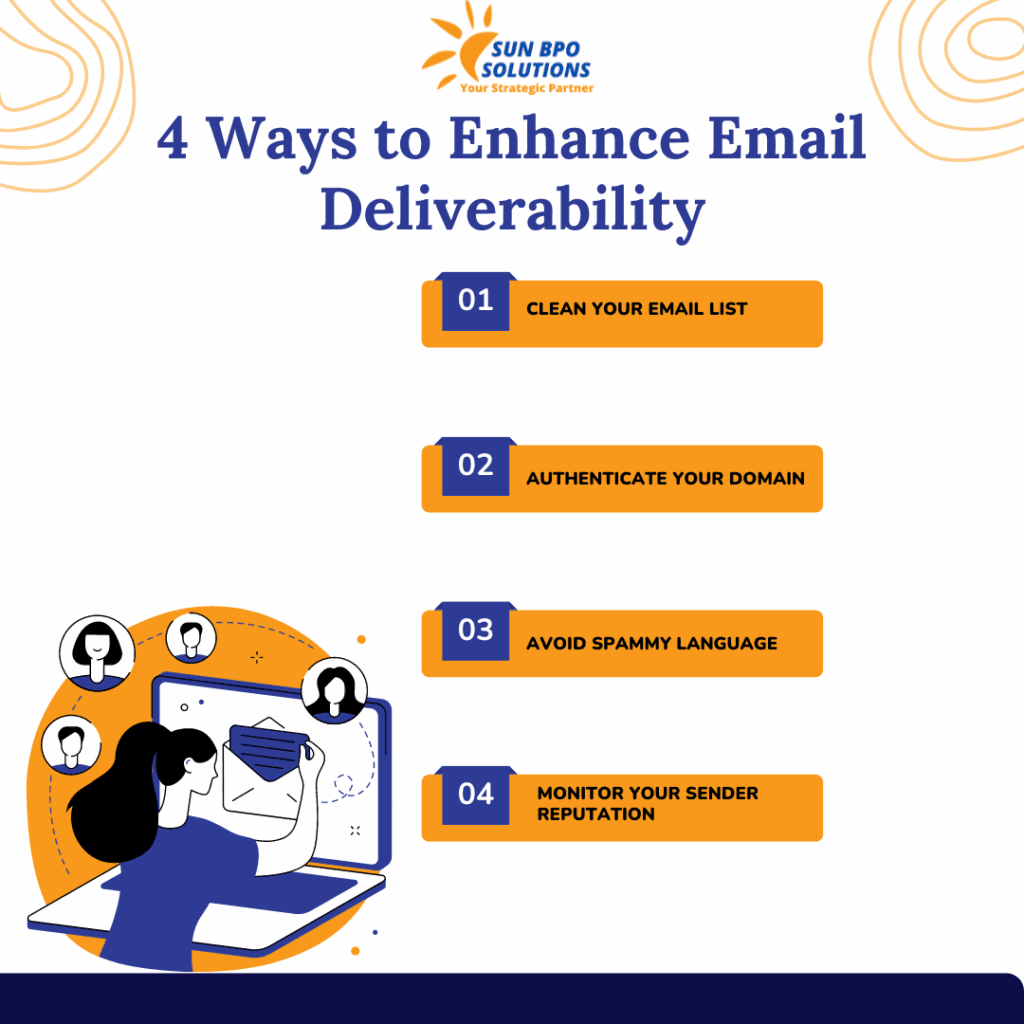
- Avoid purchased lists
- Regularly clean inactive contacts
Quality engagement beats list size.
Professionals gain trust by sharing value.
Effective email content includes:
- Practical tips and insights
- Industry updates
- Case examples
- Common mistakes to avoid
This approach works especially well in regulated industries like email marketing for healthcare, where trust and clarity are essential.
Personalization improves engagement.
You can personalize by:
- Industry or profession
- Past interactions
- Stage in the buyer journey
Relevant emails feel helpful—not promotional. for non-technical users.
Automation saves time while maintaining consistency.
Popular workflows include:
- Welcome email sequences
- Lead nurturing campaigns
- Follow-ups after downloads
- Re-engagement emails
Automation ensures no lead slips through the cracks.gh rates and visibility.
Strong subject lines are:
- Clear and benefit-driven
- Short and conversational
- Honest—not clickbait
Clarity increases open rates.
Simple design works best.
Design tips:
- Short paragraphs
- Clear headings
- One main call-to-action
- Mobile-friendly formatting
Professional emails should be easy to read and act on.
Important metrics include:
- Open rate
- Click-through rate
- Conversions
- Unsubscribe rate
Tracking helps refine strategy over time.
How Email Marketing Drives Business Results
Common Email Marketing Mistakes to Avoid
- Sending emails without a clear goal
- Over-promoting services
- Ignoring segmentation
- Inconsistent sending
- Not following compliance rules (especially in healthcare)
Avoiding these mistakes strengthens long-term results.
Final Thoughts
A well-executed email strategy is one of the most reliable ways to grow professionally. Whether your focus is email marketing for lead generation, client retention, or industry-specific outreach like email marketing for healthcare, email provides control, consistency, and connection.
Email marketing doesn’t chase attention—it earns it.
Want a customized email marketing strategy built for your business goals? Contact us today and let’s turn email into your most powerful growth channel.
Claim your free digital marketing audit.
Stay updated with SunBPO Solutions for the latest trends, insights, and strategies to keep your business ahead of the curve!
Frequently Asked Questions (FAQs)
How often should professionals send marketing emails?
Most professionals see good results sending emails weekly or bi-weekly, depending on audience engagement.
What should a beginner follow as an email marketing guide?
Beginners should focus on list quality, value-driven content, personalization, automation, and performance tracking.
Is email marketing effective for small businesses?
Yes. Email marketing for business is cost-effective, scalable, and ideal for building long-term customer relationships.
0 Comments