




Table of Contents
Introduction
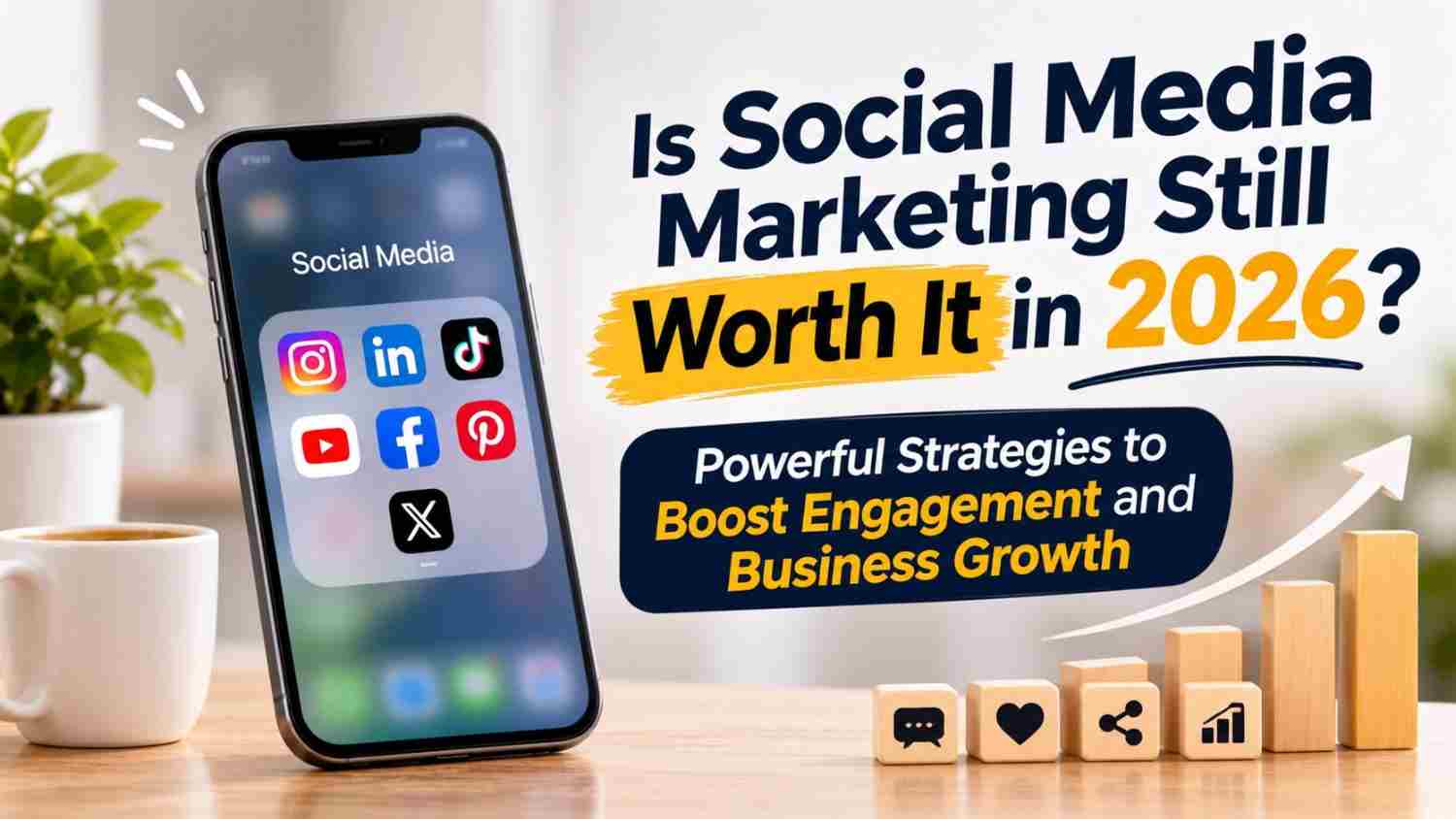
Social media has transformed the way businesses connect with customers, promote products, and build brand awareness. From small startups to established companies, brands continue to use Instagram, Facebook, LinkedIn, TikTok, and YouTube to reach potential customers. However, with increasing competition, changing algorithms, and evolving audience expectations, many businesses are asking an important question: Is social media marketing still worth it?
The answer is yes, but success requires more than posting regularly or collecting likes and followers. Businesses need effective social media marketing strategies, audience-focused communication, consistent engagement, and measurable marketing goals. With the right approach, social media marketing can improve brand visibility, generate qualified leads, strengthen customer relationships, and support long-term business growth.
Why Social Media Marketing Still Matters for Businesses
Social media remains an important part of the digital marketing landscape because it allows businesses to communicate directly with their target audiences. Customers use social media platforms not only for entertainment but also to discover brands, research products, read reviews, and make purchasing decisions.
For businesses, this creates valuable opportunities to influence customers at different stages of their buying journey.
A well-planned social media marketing strategy can help businesses achieve several objectives:
- Increase brand awareness: Introduce products and services to relevant audiences.
- Build customer relationships: Communicate directly with followers and respond to their concerns.
- Generate leads: Encourage potential customers to visit websites and request consultations.
- Improve brand credibility: Share customer experiences, educational content, and industry insights.
- Support sales growth: Guide interested audiences toward purchasing decisions.
However, simply maintaining a presence on multiple social media platforms does not guarantee results. Businesses must understand where their audiences spend time and create content that provides genuine value.

Is Social Media Marketing Worth the Investment in 2026?
Social media marketing continues to offer valuable opportunities, but businesses need to approach it with realistic expectations. Success depends on choosing appropriate platforms, understanding customer behavior, and measuring the outcomes that matter.
The real opportunity is not simply being active online. It is using social media strategically to attract the right audience, build credibility, and generate measurable business outcomes.
5 Effective Social Media Marketing Strategies That Still Work
Content remains the foundation of successful social media marketing. Instead of publishing repetitive promotional messages, businesses should share information that educates, entertains, or solves customer problems.
Some effective content formats include:
- Educational posts and industry tips.
- Short-form videos and product demonstrations.
- Customer testimonials and success stories.
- Infographics and informative carousels.
- Behind-the-scenes videos and company updates.
A balanced content strategy helps businesses maintain audience interest while communicating their expertise.
Being active on every platform is not necessary. Businesses should prioritize social media platforms where their target customers are most active.
For example, Instagram and TikTok can help consumer brands reach visually driven audiences. LinkedIn is valuable for B2B companies, professional networking, and thought leadership. Facebook can support local business communities, customer communication, and targeted advertising.
The important thing is to understand the purpose of each platform rather than distributing identical content everywhere.
Short-form videos have become an effective way to communicate information quickly and capture audience attention.
Instagram Reels, TikTok videos, and YouTube Shorts allow businesses to demonstrate products, answer common questions, introduce employees, and share customer experiences.
Social media is a communication channel, not just a publishing platform. Businesses that actively respond to comments, answer questions, and participate in relevant discussions can develop stronger customer relationships.
Encourage meaningful conversations by asking questions, responding to feedback, conducting polls, and addressing common concerns.
Organic reach can take time to develop, especially in competitive industries. Paid social media advertising allows businesses to target specific audiences based on factors such as interests, demographics, location, and online behavior.
Whether the goal is website traffic, lead generation, product sales, or brand awareness, businesses should define success before launching campaigns.
Social Media Content Distribution
How Social Media Marketing Has Changed Over the Years
Social media marketing has evolved significantly. Earlier strategies often focused on increasing follower counts, publishing promotional graphics, and sharing frequent updates. Today, audiences expect more authentic, informative, and interactive experiences.
Modern social media marketing strategies increasingly focus on short-form videos, creator partnerships, social search, community engagement, and personalized content.
1. Short-Form Videos Are Changing Content Consumption
Platforms such as Instagram Reels, TikTok, and YouTube Shorts have made short-form videos an important content format. Businesses can use them to explain products, demonstrate services, answer customer questions, and share behind-the-scenes experiences.
2. Authenticity Matters More Than Perfect Promotions
Today’s audiences are exposed to advertisements constantly. Businesses can create stronger relationships by sharing real customer experiences, introducing team members, answering frequently asked questions, and communicating their brand values.
3. Social Media Is Becoming a Discovery Channel
Consumers increasingly use social media platforms to discover businesses, research products, and explore recommendations. This makes keyword-optimized captions, searchable video descriptions, and informative content important elements of social media visibility.
How to Measure Social Media Marketing Success
Posting content consistently is important, but tracking performance helps businesses understand whether their social media marketing strategies are producing meaningful results.
Focus on these key performance indicators (KPIs):
- Reach and impressions: Measure brand exposure and audience visibility.
- Engagement rate: Track likes, comments, shares, and saves.
- Website traffic: Identify visitors arriving through social media.
- Lead generation: Measure inquiries, sign-ups, and consultation requests.
- Conversion rate: Understand how many social media visitors become customers.
- Customer retention: Evaluate repeat purchases and ongoing engagement.
Review these metrics regularly and compare performance against specific campaign objectives.
Final Thoughts
So, is social media marketing still worth it in 2026? Absolutely. However, businesses achieving meaningful results are those that prioritize strategy, consistency, authenticity, and measurable performance over simply maintaining an online presence.
By implementing effective social media marketing strategies, selecting the right social media platforms, investing in short-form videos, and engaging with customers, businesses can turn social media into a powerful growth channel.
The key is to focus on building relationships rather than chasing numbers. When social media activities align with business goals and customer expectations, they can deliver lasting value through increased brand awareness, stronger engagement, qualified leads, and sustainable business growth.
Ready to strengthen your online presence? Explore how Sun BPO Solutions can help your business improve SEO, manage its digital reputation, and build stronger online visibility. Stay updated with Sun BPO Solutions for the latest trends, insights, and strategies to keep your business ahead of the curve!
Frequently Asked Questions (FAQs)
Is social media marketing still effective for businesses in 2026?
Yes. Social media marketing remains an effective way to increase brand awareness, connect with customers, generate leads, and promote products or services.
What are the most effective social media marketing strategies?
Some effective strategies include creating valuable content, publishing short-form videos, collaborating with relevant creators, engaging with followers, using targeted advertising, and tracking campaign performance.
How can social media marketing generate more leads?
Businesses can generate leads through educational content, targeted advertisements, compelling calls to action, lead-generation forms, promotional campaigns, and customer testimonials.


0 Comments