






Table of Contents
Introduction
Running a website audit for SEO can quickly turn confusing if you don’t know what to focus on. Many marketers generate long reports using tools, but still struggle to turn data into action. That’s because a successful audit isn’t just about tools—it’s about website analysis in SEO, prioritization, and execution.
After reviewing insights from SEO professionals, this guide explains how to audit your website effectively, what experts actually look for, how to use the best website audit tools, and how to turn findings into a clear website audit report example that drives real growth.
What Is a Website Audit for SEO?
A website audit for SEO is a detailed evaluation of how well your website performs in search engines. It uncovers technical issues, content gaps, performance bottlenecks, and user experience problems that prevent your site from ranking and converting.
When done correctly, a website audit helps you:
- Improve crawlability and indexation
- Fix technical SEO issues
- Optimize on-page elements
- Enhance site speed and usability
- Build a data-driven SEO roadmap
SEO experts agree: audits are not one-time tasks—they are ongoing optimization checkpoints.
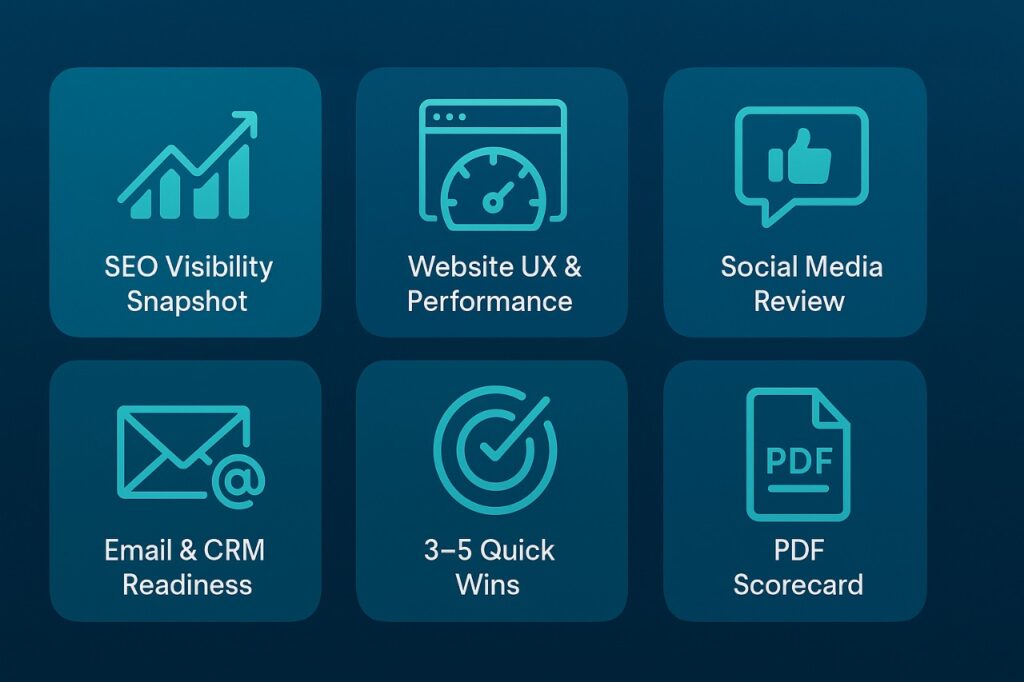
Why Website Analysis in SEO Matters
Website analysis goes beyond surface-level metrics. It focuses on why pages perform the way they do and how search engines and users interact with your site.
Through proper analysis, you can:
- Identify ranking blockers
- Understand content performance
- Spot conversion leaks
- Align pages with search intent
Without structured analysis, audits become reports that never lead to results.
How SEO Experts Audit a Website Step by Step
They check:
- Crawl errors and broken links
- Indexing and sitemap issues
- Site speed and Core Web Vitals
- Mobile responsiveness
- HTTPS and security
Fixing technical issues often delivers the fastest SEO improvements.
✅ Next comes on-page optimization and content evaluation.
Experts analyze:
- Title tags and meta descriptions
- Heading structure and internal linking
- Keyword usage and intent alignment
- Duplicate or thin content
- Image optimization
This phase ensures your pages are optimized for both users and search engines. count for better engagement.
✅ SEO is closely tied to user experience. During a website analysis experts evaluate:
- Page load times
- Navigation and structure
- Mobile usability
- Engagement signals like bounce rate
Improving UX not only helps rankings but also boosts conversions. community involvement.
✅Although not always fully automated, professionals review:
- Backlink quality
- Toxic or spammy links
- Anchor text patterns
- Brand mentions
This helps protect your site from penalties and identify authority-building opportunities.strategy plan into visible action.
Website Audit for SEO Focus Areas
Best Website Audit Tools SEO Professionals Use
The best audit tools help automate data collection but still require expert interpretation. These tools typically analyze:
- Technical SEO issues
- On-page optimization gaps
- Performance metrics
- Crawl and index status
SEO pros recommend using tools as diagnostic aids, not decision-makers. The real value comes from prioritizing insights—not fixing everything at once.
Website Audit Report Example: What It Should Include
A strong audit report example is clear, actionable, and prioritized.
SEO experts structure reports with:
- Executive summary (key issues & opportunities)
- Critical technical fixes
- High-impact on-page improvements
- Content recommendations
- Performance and UX insights
- Priority-based action plan
A good report answers one question: What should we fix first to get results?
Common Mistakes When You Audit Your Website
Avoid these expert-flagged mistakes:
- Running audits without clear goals
- Ignoring technical SEO problems
- Fixing low-impact issues first
- Relying only on tools
- Not re-auditing after changes
When you audit a website strategically, fewer fixes often lead to bigger gains.
How Often Should You Run a Website Audit?
SEO professionals recommend:
- Quarterly full website audits
- Monthly technical and performance checks
- Post-update audits after major site changes
Regular audits keep SEO proactive instead of reactive.
Turning Audit Insights into SEO Growth
The real value of a website audit lies in execution. Experts recommend:
- Creating a prioritized SEO roadmap
- Assigning clear responsibilities
- Tracking progress and performance
- Measuring impact on traffic, rankings, and conversions
This is how audits turn from reports into ROI.
Final Thoughts
Running a website audit for SEO doesn’t have to be overwhelming. With the right approach, proper website analysis in SEO, and smart use of the best website audit tools, audits become powerful growth drivers—not just technical checklists.
When you know how to audit your website with intent and prioritize what matters, every audit moves you closer to stronger rankings and better performance.
If you’re ready to go beyond basic reports, we help businesses run strategic SEO audits that deliver real results. Contact us today and turn your website audit into measurable growth.
Claim your free digital marketing audit.
Stay updated with SunBPO Solutions for the latest trends, insights, and strategies to keep your business ahead of the curve!
Frequently Asked Questions (FAQs)
What is a website audit for SEO?
A website audit for SEO is a detailed evaluation of your website’s technical setup, content, performance, and user experience to identify issues that affect search rankings and visibility.
What does website analysis in SEO include?
Website analysis in SEO includes reviewing technical SEO, on-page optimization, content quality, site speed, mobile usability, and backlink health.
What should a website audit report example contain?
A strong website audit report example includes an executive summary, prioritized issues, technical fixes, content recommendations, performance insights, and an action plan.



0 Comments