




Table of Contents
Introduction
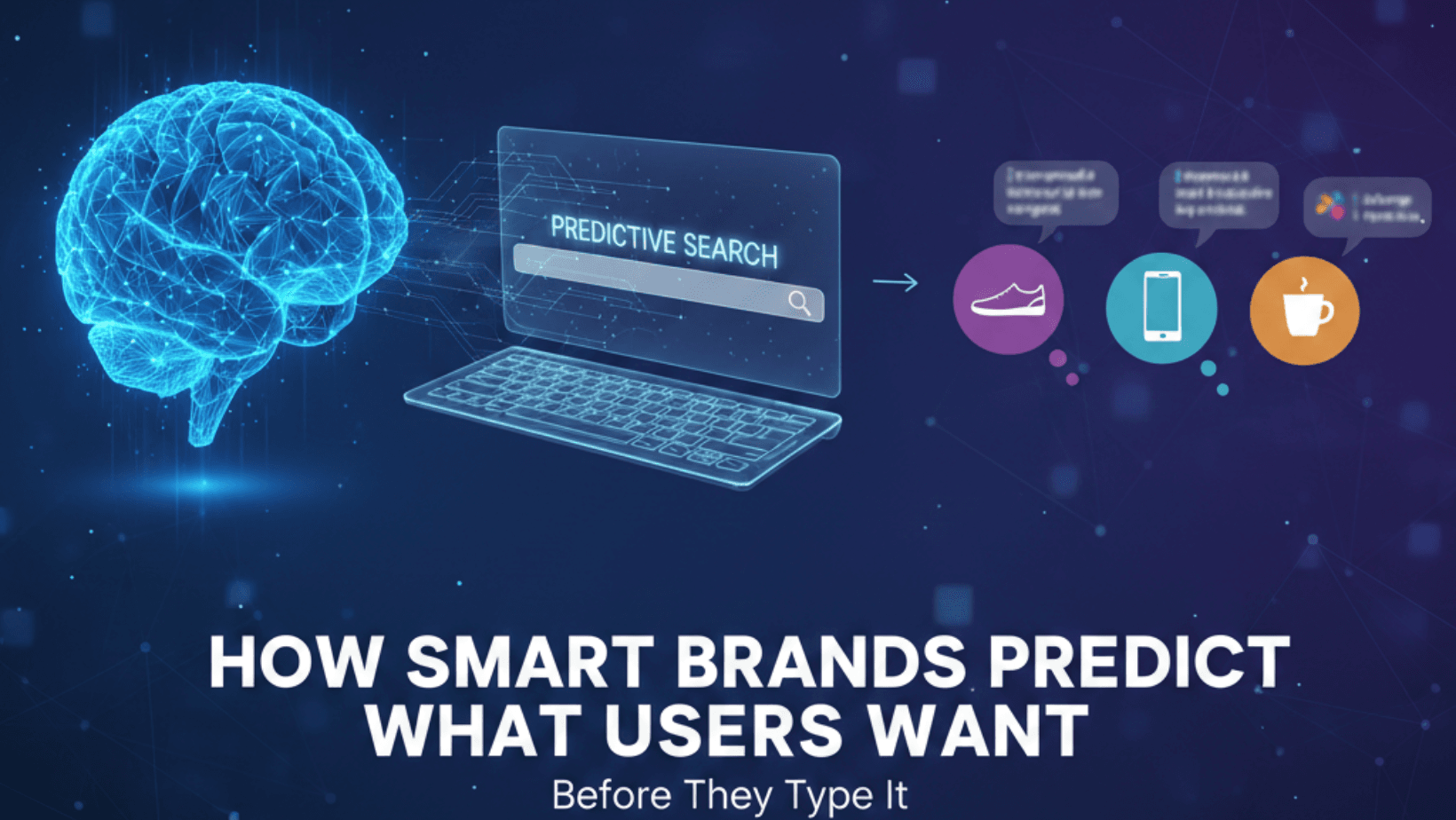
Search behavior has changed dramatically. Users no longer type long, perfectly structured queries. Instead, they search in fragments, ask incomplete questions, or expect search engines to understand their needs instantly.
This shift has pushed SEO beyond keywords and into search intent SEO—where success depends on understanding why users search, not just what they type.
Brands that grow consistently today focus on search intent refinement: predicting what users want before they fully express it. When intent is clear, traffic becomes relevant, engagement improves, and conversions follow naturally.
What Is Search Intent in SEO?
Before refining intent, it’s important to understand what is search intent in SEO.
Search intent refers to the underlying goal behind a user’s query. It answers the question:
👉 What outcome is the user expecting from this search?
Search engines prioritize results that best satisfy this goal. That’s why two pages targeting the same keyword can perform very differently—because one aligns better with intent.
Modern SEO success depends on matching content with intent, not just keywords.
Why Search Intent SEO Matters More Than Ever
Traditional SEO focused on keyword placement and density. But today, Google evaluates context, relevance, and user behavior to decide rankings.
Search engines now reward:
- Pages that answer questions clearly
- Content that matches user expectations
- Results that reduce pogo-sticking (quick exits)
- Pages that align with intent based search patterns
If your content doesn’t satisfy intent, rankings won’t translate into meaningful traffic—no matter how optimized your page looks.. experience repeated spikes followed by silence. That pattern hurts the long-term growth rate more than it helps.
The Four Core Types of Search Intent
✅Users want answers, explanations, or learning resources.
✅Users want to reach a specific website or brand.
✅Users are researching and comparing before making a decision.
✅Users are ready to take action—sign up, contact, or buy.
Search Intent SEO Impact
How Intent-Based Search Shapes Modern SEO
Intent based search focuses on user behavior rather than isolated keywords. Search engines analyze patterns such as:
- Previous searches in the same session
- Location and device type
- Time of day and urgency
- Click behavior and dwell time
- Content formats users engage with most
That’s why Google can predict what users want before they finish typing—and why your content must be built with intent awareness, not assumptions..
Why Content Fails Without Search Intent Refinement
Many websites rank but struggle with engagement or conversions because intent is misaligned.
Common examples include:
- Informational blogs targeting transactional keywords
- Sales pages answering early-stage questions
- Long articles when users want quick answers
- Generic content that lacks urgency or clarity
This disconnect leads to high bounce rates, low dwell time, and weak performance—clear signs that search intent SEO is missing. fixes starts with reviewing your website from a user’s perspective—not just a business one. don’t explode.
How Search Intent Marketing Drives Better Results
Search intent marketing focuses on delivering the right content at the right stage of the user journey.
When intent is refined correctly:
- Traffic becomes more qualified
- Content feels more relevant
- Users stay longer and engage deeper
- Conversion rates improve naturally
Instead of pushing messages, you meet users exactly where they are.
SEO Isn’t About Traffic Anymore—It’s About Relevance
High traffic without intent alignment doesn’t grow businesses. Relevance does.
Search engines favor pages that:
- Solve problems quickly
- Match urgency and context
- Provide the expected format (guide, comparison, tool, solution)
This is why what is search intent in SEO has become a foundational question for modern marketers.
Final Thoughts
Search intent refinement is no longer optional—it’s the backbone of modern SEO.
Understanding what is search intent in SEO, embracing intent based search, and building content around search intent marketing strategies allows brands to attract the right audience—not just more visitors.
When you predict what users want before they type it, SEO stops being reactive and starts driving real growth.
Want to refine search intent and attract traffic that actually converts?
Contact us today to boost your digital growth with intent-driven SEO strategies built for modern search behavior.
Claim your free digital marketing audit.
Stay updated with SunBPO Solutions for the latest trends, insights, and strategies to keep your business ahead of the curve!
Frequently Asked Questions (FAQs)
Why is intent-based search important for rankings?
Intent-based search helps search engines deliver more relevant results. Pages that satisfy user intent see better engagement, lower bounce rates, and stronger long-term performance.
How does search intent marketing improve conversions?
Search intent marketing aligns content with the user’s stage in the buying journey, making messaging more relevant and increasing the likelihood of engagement and conversions.
Is search intent SEO more important than keywords?
Keywords still matter, but intent determines success. Without intent alignment, keyword rankings rarely translate into meaningful traffic.



0 Comments