





Table of Contents
Introduction
Strong financial management is not optional—it’s the foundation of every sustainable business. Whether you manage finances in-house, rely on accounting and bookkeeping services, or learn from accounting and bookkeeping books, understanding the core areas of accounting and bookkeeping is critical.
Many business operators struggle not because they don’t earn revenue, but because financial processes are weak or inconsistent. In this blog, we’ll break down the top 5 essential areas of accounting and bookkeeping, explain how they are used in real operations, and highlight the most common mistakes businesses—especially small businesses—should avoid.
Why Accounting and Bookkeeping Matter for Small Businesses
Accounting and bookkeeping provide visibility into how money flows through your business. When done correctly, they help you:
- Track income and expenses accurately
- Maintain healthy cash flow
- Stay compliant with tax regulations
- Make informed business decisions
- Prepare for growth, audits, or funding
This is why many entrepreneurs rely on accounting and bookkeeping services for small businesses to reduce risk and save time.
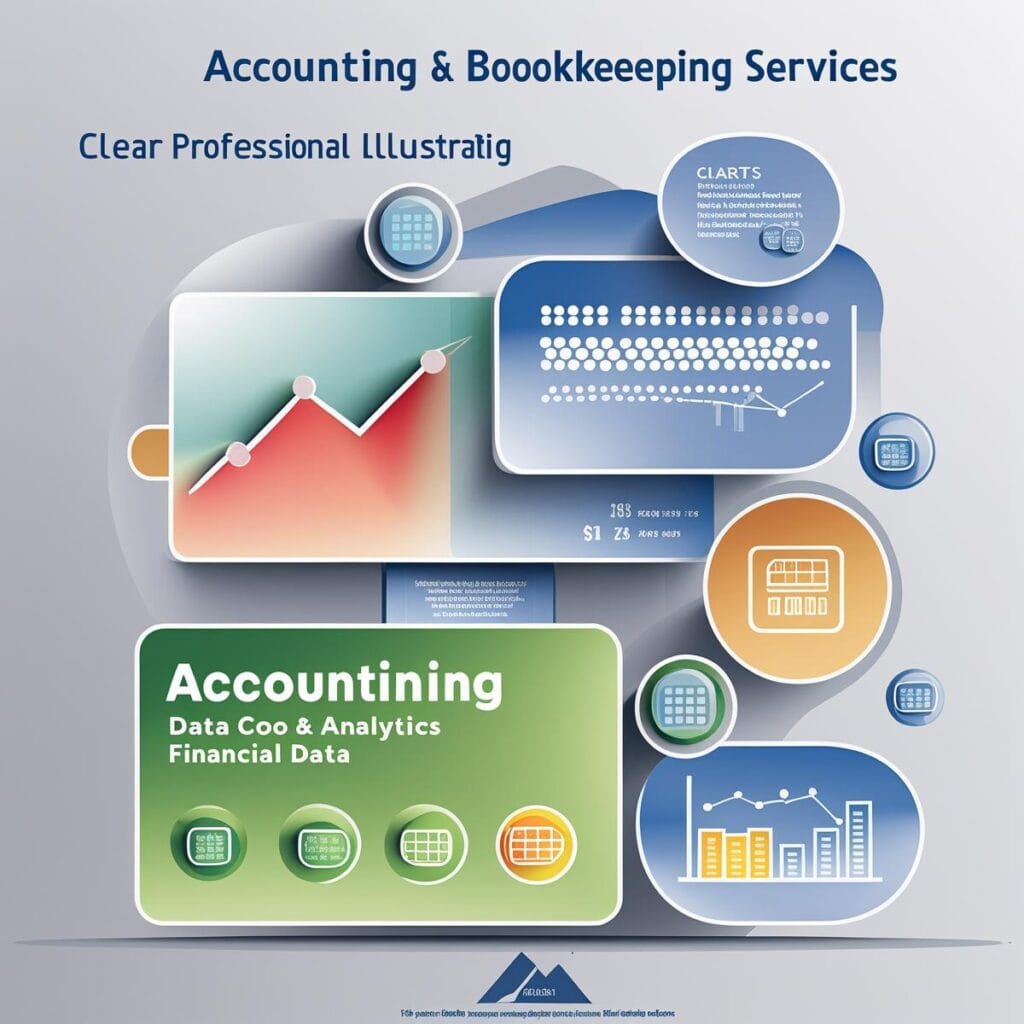
Why Many Businesses Use Accounting & Bookkeeping Services
Many operators turn to accounting and bookkeeping services for small businesses because they:
- Reduce errors and compliance risks
- Save time and internal resources
- Provide expert financial oversight
- Scale easily as the business grows
Even businesses that study accounting and bookkeeping books often choose professional services for execution and accuracy., and conversions.
Top 5 Core Areas of Accounting & Bookkeeping (And Mistakes to Avoid)
✅How it’s used:
This is the foundation of bookkeeping. Every sale, purchase, payment, and expense must be recorded accurately and consistently.
Mistakes to avoid:
- Delaying entries
- Missing small expenses
- Mixing personal and business transactions
- Inconsistent categorization
Even small errors here can distort your entire financial picture.
How it’s used:
Tracks money owed to you (receivables) and money you owe others (payables). Proper management ensures stable cash flow.
Mistakes to avoid:
- Failing to follow up on unpaid invoices
- Paying bills late
- Ignoring aging reports
- Poor documentation
Cash flow issues often stem from weak receivables and payables management.lume. plan focused on organic traffic.
How it’s used:
Payroll accounting covers wages, salaries, deductions, benefits, and employee records.
Mistakes to avoid:
- Incorrect tax deductions
- Late payroll processing
- Employee misclassification
- Incomplete payroll records
Payroll mistakes can lead to compliance penalties and employee dissatisfaction.
How it’s used:
Generates financial statements such as profit & loss, balance sheets, and cash flow reports. Reconciliation ensures records match bank statements.
Mistakes to avoid:
- Skipping monthly reconciliations
- Relying on outdated reports
- Ignoring discrepancies
- Misreading financial data
Without accurate reports, decision-making becomes guesswork.
How it’s used:
Ensures accurate tax filings based on proper records of income, expenses, and deductions.
Mistakes to avoid:
- Missing tax deadlines
- Poor record retention
- Incorrect expense claims
- Relying on estimates instead of data
Tax errors are costly and often avoidable with proper bookkeeping.
How Accounting & Bookkeeping Efforts Are Typically Distributed
High-Impact Accounting & Bookkeeping Best Practices
To avoid costly mistakes across these areas:
- Maintain consistent record-keeping routines
- Separate business and personal finances
- Reconcile accounts monthly
- Review financial reports regularly
- Use professional accounting and bookkeeping support
Following these practices helps businesses stay compliant, profitable, and audit-ready.
Final Thoughts
Understanding the top basic areas of accounting and bookkeeping is essential for every business, regardless of size or industry. While mistakes are common, they are also preventable with the right systems, discipline, and expertise.
By addressing these core areas correctly, businesses gain financial clarity, avoid costly errors, and build a stronger foundation for long-term success.
Ready to Boost Your Digital Growth?
Strong financial systems support stronger business growth. If you’re looking to streamline your accounting and bookkeeping processes, contact us today and take the first step toward smarter, more profitable operations.
Claim your free digital marketing audit.
Stay updated with SunBPO Solutions for the latest trends, insights, and strategies to keep your business ahead of the curve!
Frequently Asked Questions (FAQs)
Why are accounting and bookkeeping important for small businesses?
They help small businesses track cash flow, reduce financial errors, meet tax obligations, and make informed decisions.
Can accounting and bookkeeping books replace professional services?
Books are useful for understanding concepts, but professional accounting and bookkeeping services ensure accuracy, compliance, and time savings.
What mistakes do small businesses make most often in bookkeeping?
Common mistakes include delayed entries, poor reconciliation, mixing personal and business expenses, and missing tax deadlines.


0 Comments