




Table of Contents
Introduction
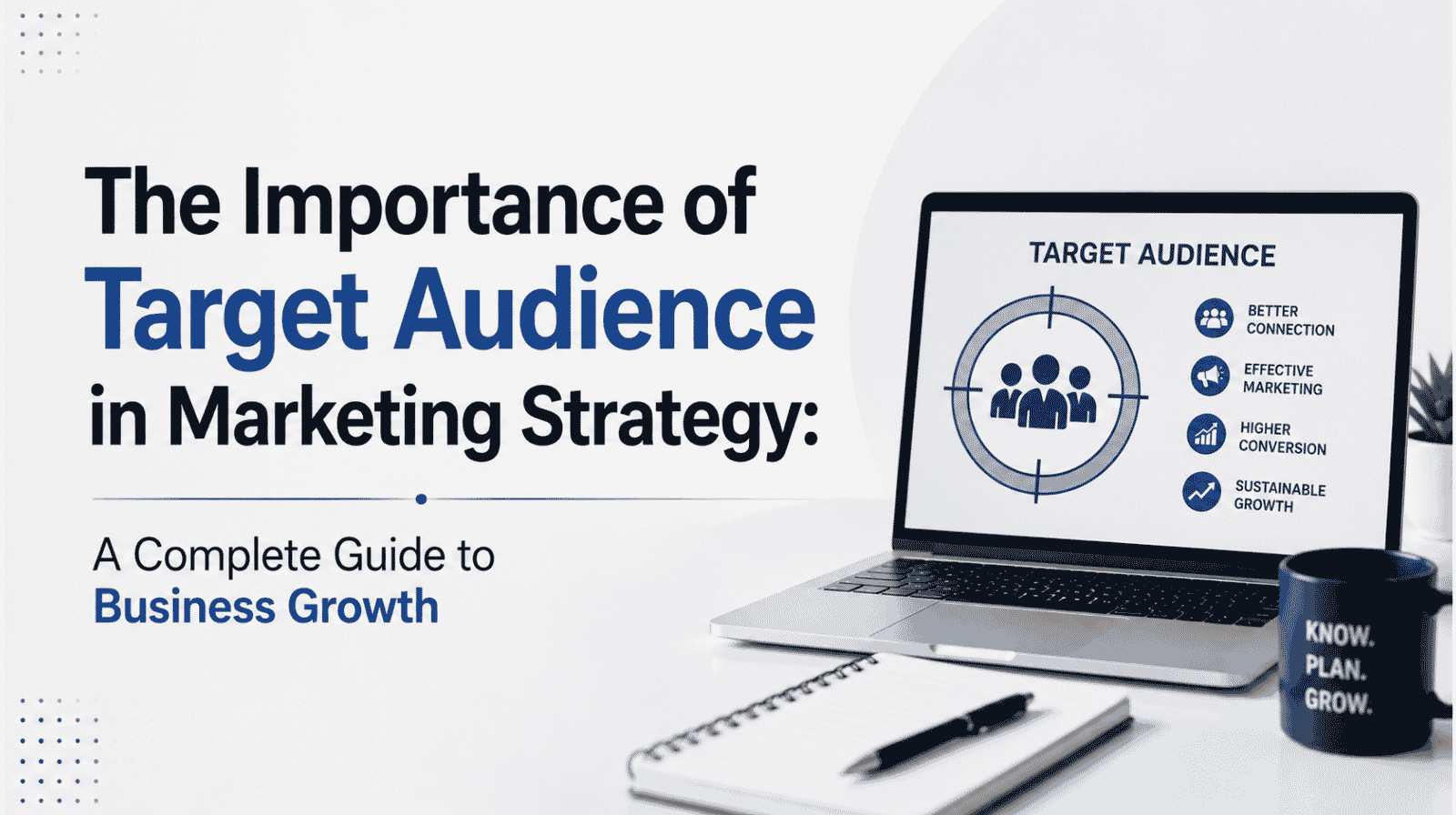
Every successful marketing campaign begins with one important question: Who is your ideal customer? Many businesses invest significant time and money into advertising, content creation, and promotions without clearly defining their audience. As a result, even well-designed campaigns often fail to generate meaningful results.
Understanding your marketing target audience allows businesses to create personalized messaging, improve customer engagement, and increase marketing efficiency. Instead of trying to reach everyone, companies that invest in target audience marketing focus on attracting the people most likely to benefit from their products or services.
A well-defined target audience strategy helps businesses make smarter marketing decisions, improve return on investment, and build stronger customer relationships. This guide explains why identifying your audience matters, how to develop an effective strategy, and provides practical target audience examples that can improve long-term business growth.
What Is a Target Audience?
A target audience is the specific group of people most likely to purchase your products or services. These individuals often share similar characteristics such as demographics, interests, behaviors, challenges, and buying habits.
Rather than marketing to everyone, businesses focus their efforts on customers who are most likely to convert.
Common audience characteristics include:
- Age and gender
- Location
- Occupation
- Income level
- Interests
- Online behavior
- Purchasing habits
Understanding these factors helps businesses create more relevant marketing campaigns.
Why Target Audience Marketing Matters
Effective target audience marketing improves nearly every aspect of digital marketing.
Key Benefits
- Creates more relevant messaging
- Improves customer engagement
- Increases conversion rates
- Reduces marketing costs
- Strengthens customer loyalty
When businesses understand their audience, every marketing decision becomes more focused and effective.
Building an Effective Target Audience Strategy
Analyze customer demographics, purchase history, and feedback to identify common patterns.
Identify the challenges your audience wants to solve and position your business as the solution.
Review competitor audiences to identify opportunities and underserved market segments.
Develop detailed customer profiles that represent your ideal audience.
Regularly review marketing data and customer behavior to refine your audience strategy over time.
Factors Influencing Successful Target Audience Marketing
How Audience Research Improves Marketing
Knowing your audience influences every marketing channel.
It helps businesses:
- Write better website content
- Improve SEO strategies
- Create engaging social media posts
- Develop personalized email campaigns
- Produce relevant videos
- Optimize advertising campaigns
Audience research ensures marketing efforts solve real customer problems.
Signs Your Marketing Target Audience Needs Refinement
If your marketing results are inconsistent, your audience definition may need improvement.
Common signs include:
- Low engagement rates
- Poor conversion rates
- High advertising costs
- Weak customer retention
- Low-quality website traffic
Refining your marketing target audience often improves overall campaign performance. relationships while improving long-term marketing performance.
Best Practices for Target Audience Marketing
Successful businesses consistently follow proven audience-focused practices.
- Conduct Regular Market Research: Customer needs change over time.
- Segment Your Audience: Divide audiences based on interests, demographics, or behaviors.
- Personalize Marketing Messages: Create content that directly addresses customer challenges.
- Use Analytics: Track website, social media, and campaign performance.
- Continue Testing: Optimize campaigns using real customer data.
These practices strengthen customer relationships while improving marketing efficiency.
Common Audience Targeting Mistakes
Businesses often reduce campaign effectiveness by making avoidable mistakes.
Common issues include:
- Trying to reach everyone
- Ignoring customer feedback
- Making assumptions instead of researching
- Using generic messaging
- Failing to update audience profiles
Avoiding these mistakes leads to more successful marketing campaigns.
Industry Insights: The Future of Audience-Centered Marketing
Digital marketing is becoming increasingly personalized. Artificial intelligence, predictive analytics, and customer data now help businesses better understand audience behavior and deliver more relevant experiences.
Companies that invest in audience research and personalization will continue outperforming competitors that rely on broad marketing approaches.
The future belongs to businesses that prioritize understanding customers before executing campaigns.
Final Thoughts
Understanding your audience is one of the most important investments any business can make. Rather than promoting products to everyone, successful companies focus on reaching the right people with the right message at the right time.
By implementing a structured target audience strategy, studying practical examples, and refining their target audience, businesses can improve customer relationships, strengthen campaign performance, and achieve sustainable, long-term growth.
In today’s competitive marketplace, the businesses that know their customers best are the ones most likely to succeed.
Claim your free digital marketing audit.
Stay updated with SunBPO Solutions for the latest trends, insights, and strategies to keep your business ahead of the curve!
Frequently Asked Questions (FAQs)
Why is a target audience strategy important?
It improves marketing efficiency, increases engagement, reduces wasted advertising spend, and generates better business results.
How do I identify my marketing target audience?
Research your customers, analyze market data, study competitors, and create buyer personas based on demographics, interests, and behaviors.
How often should businesses update their target audience strategy?
Businesses should review and refine their audience strategy regularly as customer behavior, industry trends, and market conditions evolve.



0 Comments