




Table of Contents
Introduction
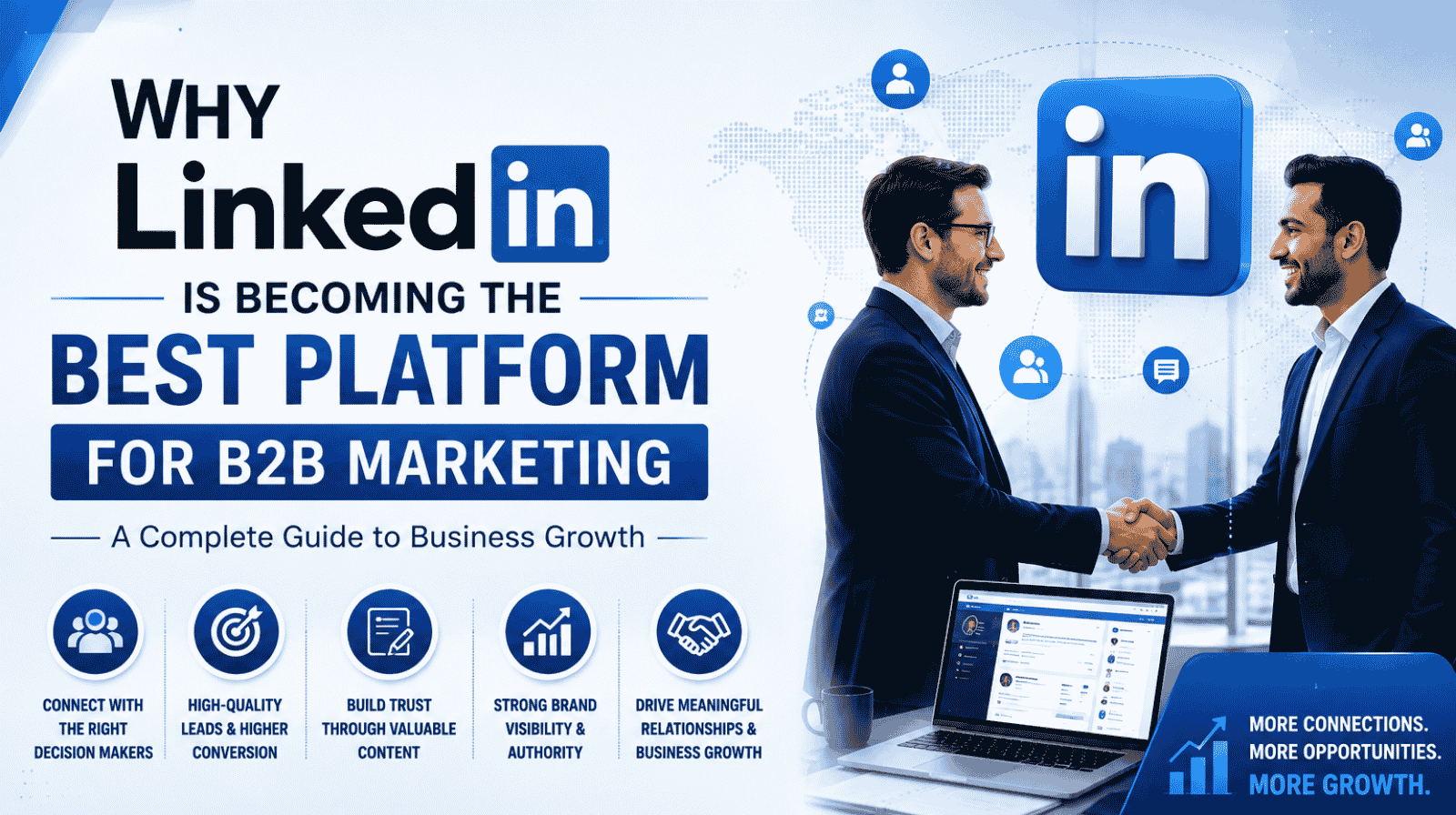
In today’s competitive digital landscape, businesses are constantly searching for effective ways to reach decision-makers, generate qualified leads, and build long-term professional relationships. While many social media platforms focus on entertainment and consumer engagement, LinkedIn has established itself as the leading platform for LinkedIn marketing B2B success.
Businesses that invest in a strong LinkedIn marketing strategy are connecting with executives, business owners, managers, and industry professionals who actively seek business solutions, partnerships, and valuable insights. Unlike traditional social platforms, LinkedIn encourages professional networking, thought leadership, and meaningful conversations, making it one of the most effective channels for B2B growth.
Implementing proven LinkedIn marketing tactics also supports long-term SEO growth by increasing brand visibility, driving qualified website traffic, promoting valuable content, and strengthening online authority. This guide explains why LinkedIn has become the preferred platform for B2B marketing and how businesses can maximize their success.
Why LinkedIn Stands Out for B2B Marketing
Unlike other social media platforms, LinkedIn attracts professionals with a business-focused mindset. Users visit the platform to learn about industry trends, build professional relationships, discover new opportunities, and find business solutions.
This makes LinkedIn marketing B2B highly effective because businesses can communicate directly with decision-makers instead of competing for attention among entertainment-focused content. Companies that consistently publish educational and insightful content build stronger credibility and generate higher-quality business leads.
The Role of a LinkedIn Marketing Strategy
A successful LinkedIn marketing strategy goes beyond publishing company updates. It focuses on creating valuable content, engaging with industry professionals, and building trust over time.
Businesses that consistently share expert insights, customer success stories, case studies, industry reports, and educational articles position themselves as trusted authorities. This strengthens brand reputation while improving lead generation and customer relationships.
An effective LinkedIn marketing strategy also encourages employees to become brand advocates, increasing reach and credibility through authentic professional networks.
Key Benefits of LinkedIn Marketing B2B
Connect directly with executives, managers, entrepreneurs, and business owners.
Publish educational content that demonstrates expertise and establishes industry leadership.
Attract businesses actively searching for products, services, and professional partnerships.
Consistent publishing and engagement improve awareness among your target audience.
Share blogs, case studies, and website resources that increase traffic and strengthen online authority.
Content That Performs Best on LinkedIn
LinkedIn Marketing Tactics That Deliver Results
Successful businesses rely on proven LinkedIn marketing tactics rather than random posting.
Some of the most effective strategies include:
- Publish thought leadership articles regularly.
- Share educational business content instead of constant promotions.
- Encourage employee advocacy and personal branding.
- Engage with industry conversations and relevant posts.
- Use document carousels, videos, and case studies to increase engagement.
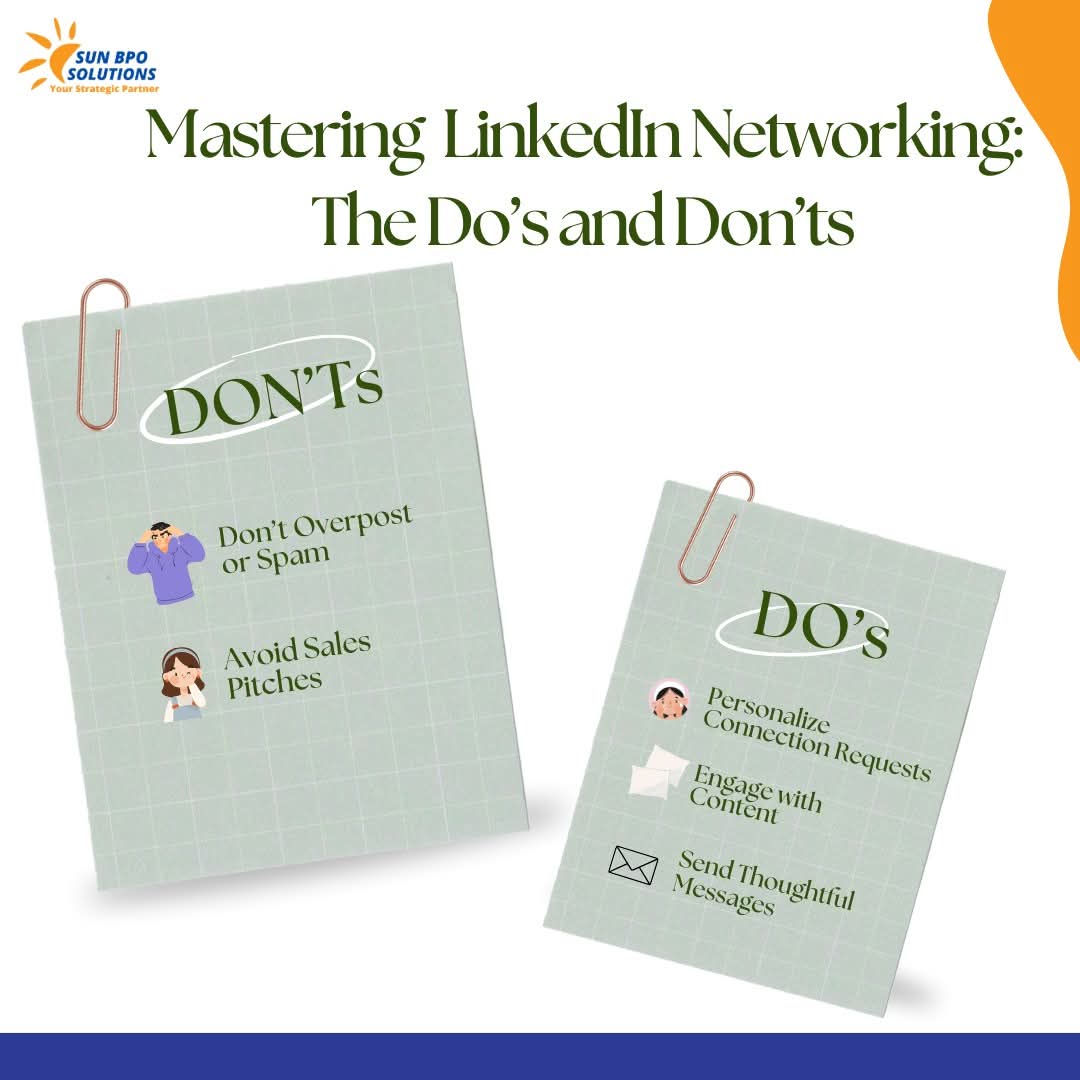
- Build relationships through meaningful comments and direct networking.
- Monitor analytics to continuously improve your LinkedIn marketing strategy.
Following these LinkedIn marketing tactics helps businesses increase engagement, improve credibility, and generate qualified B2B opportunities.
Common LinkedIn Marketing Mistakes
Many companies fail to maximize LinkedIn because they use it like every other social platform.
Common mistakes include posting only promotional content, publishing inconsistently, ignoring audience engagement, failing to optimize company profiles, and neglecting employee participation. Businesses that avoid these mistakes and consistently follow a structured LinkedIn marketing strategy are more likely to achieve sustainable growth and stronger B2B relationships.
Final Thoughts
LinkedIn has evolved far beyond a professional networking platform—it has become one of the most powerful channels for LinkedIn marketing B2B. Businesses that focus on delivering value, sharing expertise, and building authentic professional relationships consistently generate better results than those relying solely on promotional campaigns.
A well-planned LinkedIn marketing strategy enables businesses to reach decision-makers, establish industry authority, and create meaningful conversations that lead to long-term partnerships. By implementing proven LinkedIn marketing tactics, companies can improve visibility, generate qualified leads, and strengthen customer trust.
When integrated with SEO, content marketing, and email marketing, LinkedIn becomes an essential part of a sustainable digital marketing strategy that supports long-term SEO growth. Investing in quality content, consistent engagement, and professional networking will continue to help businesses grow in an increasingly competitive B2B landscape.
Claim your free digital marketing audit.
Stay updated with SunBPO Solutions for the latest trends, insights, and strategies to keep your business ahead of the curve!
Frequently Asked Questions (FAQs)
What is a LinkedIn marketing strategy?
A LinkedIn marketing strategy is a structured approach that includes audience targeting, content planning, professional networking, employee advocacy, engagement, and performance analysis to achieve business goals.
Can LinkedIn marketing improve SEO?
Yes. While LinkedIn activity does not directly affect rankings, sharing valuable content increases website traffic, improves brand awareness, encourages backlinks, and supports long-term SEO growth.
How often should businesses post on LinkedIn?
Most businesses benefit from posting two to five times per week while maintaining consistency, publishing valuable content, and actively engaging with their professional audience.

0 Comments