




Table of Contents
Introduction
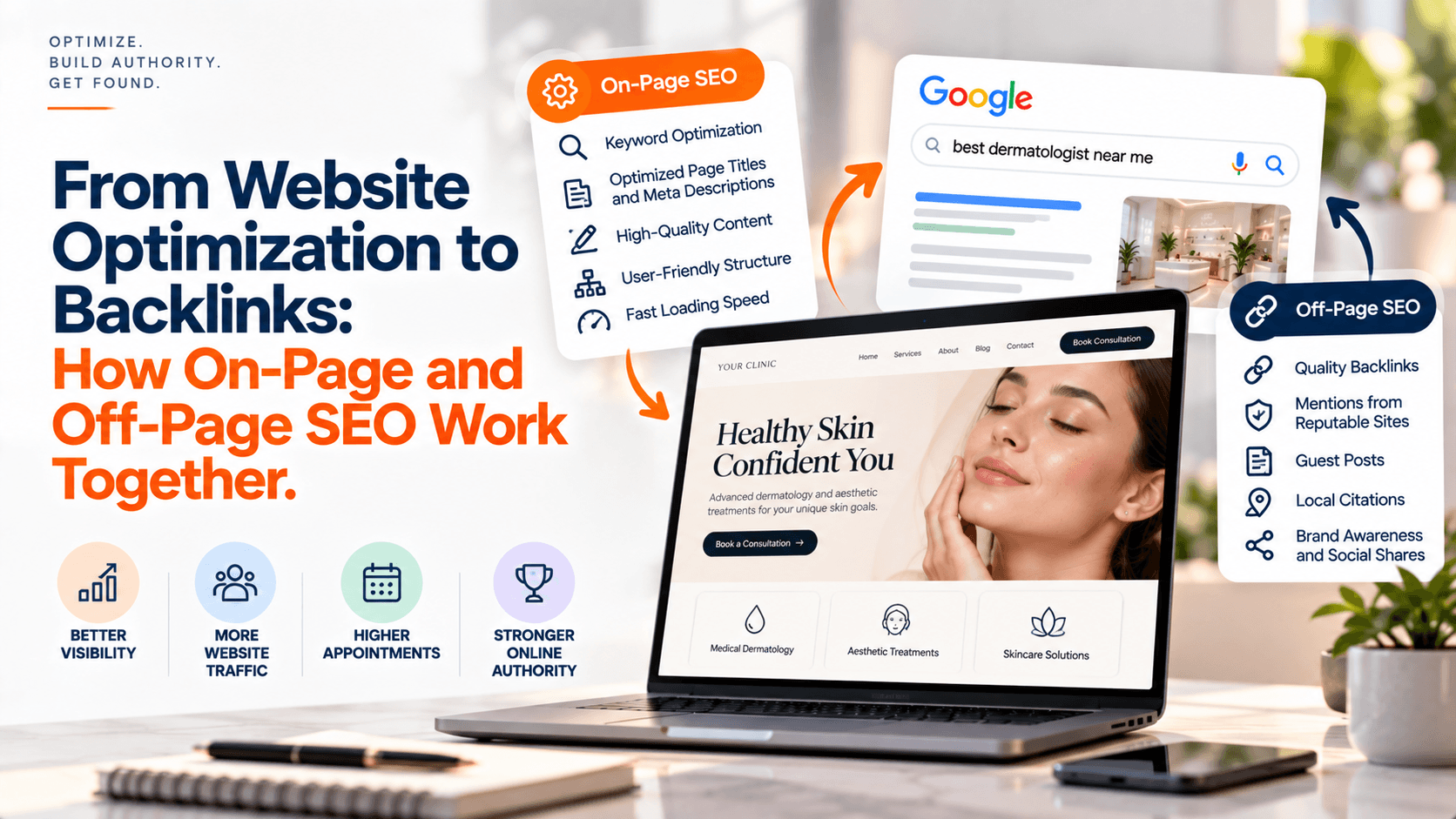
Search engine optimization is no longer about adding keywords to a webpage and waiting for Google to rank it. A successful SEO strategy requires both a well-optimized website and strong signals from other trusted websites. This is where on page seo and off page seo work together. On-page SEO helps search engines understand your content and gives visitors a better experience, while off-page SEO helps build your website’s authority and credibility. When these two areas support each other, businesses can create a stronger foundation for sustainable organic growth.
What Is On-Page SEO?
On page SEO refers to the improvements made directly to your website and its content. The goal is to make every important page useful, understandable, accessible, and relevant to the search queries your audience uses.
Strong on page seo optimization begins with understanding search intent. A page targeting an informational query should provide helpful information, while a commercial page should clearly explain services, benefits, and next steps. This alignment helps create content that satisfies both users and search engines.
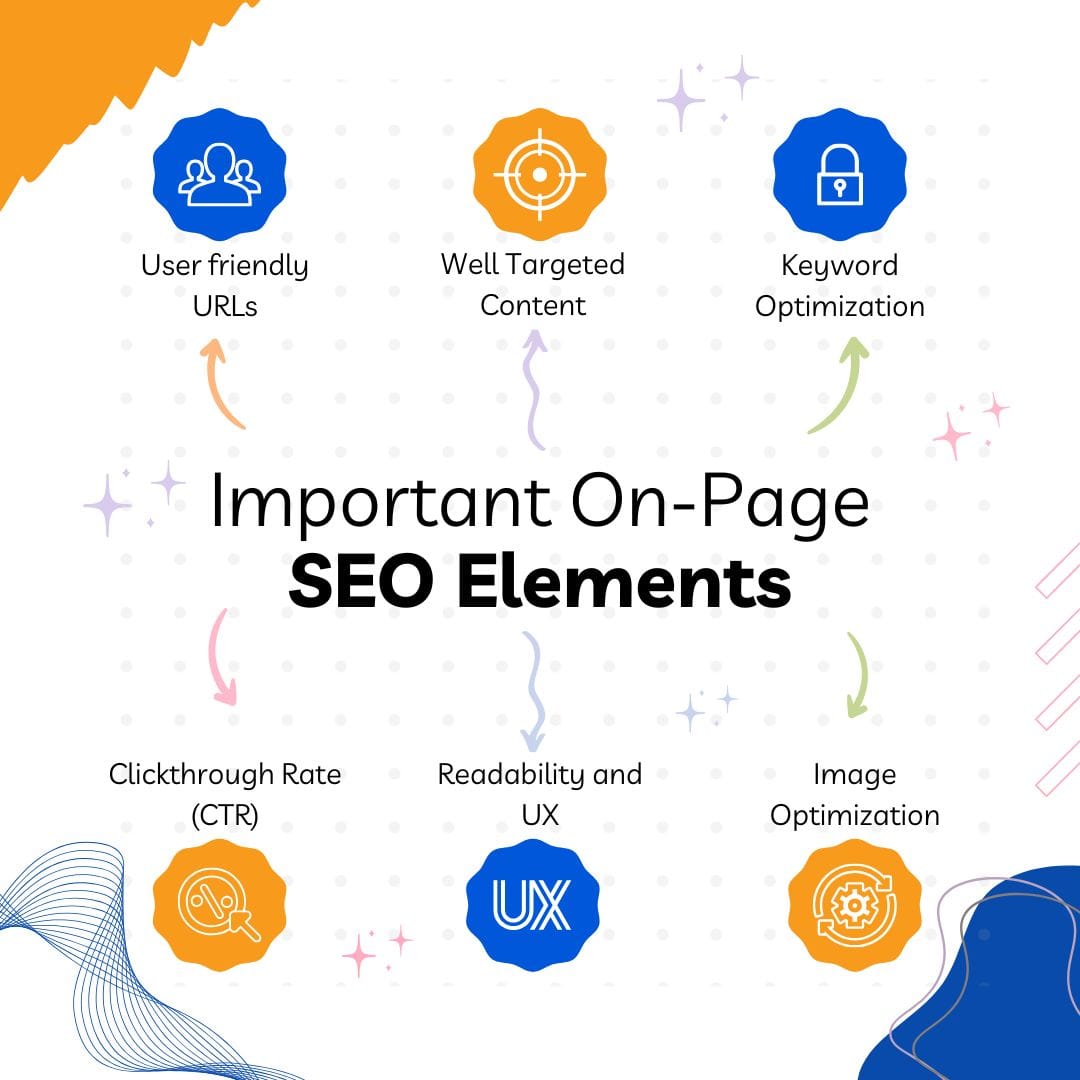
Important on page SEO elements include:
- Optimized title tags and meta descriptions
- Clear H1, H2, and H3 headings
- Natural keyword placement
- Helpful, original content
- Internal linking between relevant pages
- Optimized images and descriptive alt text
- Mobile-friendly design
- Fast page loading and strong Core Web Vitals
- Clean and logical URL structures
However, optimization should not mean changing a page simply to include more keywords. Modern SEO focuses heavily on usefulness, relevance, experience, and satisfying the reason behind a user’s search.
Why Content Quality Matters for On Page SEO
Content is the connection between a search query and your website. Even technically optimized pages can struggle if the content does not answer the user’s questions clearly.
A strong content strategy should demonstrate practical knowledge, use trustworthy information, address common questions, and provide original insights where possible. Adding examples, data, expert perspectives, and clear explanations can make content more useful and support stronger E-E-A-T signals.
Instead of creating several thin articles around similar keywords, businesses can build comprehensive topic clusters. For example, a digital marketing website could create a main page on SEO services, supported by content on keyword research, technical SEO, link building, local SEO, and content optimization. Internal links can then connect these pages into a clear topical structure.
Build a Strong SEO Foundation Before Link Building
Make sure search engines can easily crawl, understand, and index your important website pages without unnecessary technical barriers.
Ensure your website loads quickly and works smoothly on mobile devices, where a large share of users now browse and search.
Create useful, original content that directly answers what users are searching for instead of focusing only on inserting target keywords.
Optimize your title tags, meta descriptions, and heading structure so both search engines and users can quickly understand what each page is about.
Connect related pages with relevant internal links to help users discover more content while helping search engines understand your website’s topic structure.
Find and fix broken links, confusing navigation, and unnecessary steps that can prevent visitors from easily finding the information or services they need.
SEO Activity Distribution
What Is Off Page SEO?
Off page SEO includes activities that happen outside your own website and can influence how search engines and users perceive its authority, relevance, and reputation.
Backlinks are one of the most recognized parts of off-page SEO. A backlink occurs when another website links to your content. However, the objective should not be to collect as many links as possible. Relevant and trustworthy links can be more meaningful than large numbers of low-quality or unrelated links.
A sustainable off-page SEO strategy can include:
- Earning editorial backlinks through useful content
- Digital PR and industry mentions
- Guest contributions on relevant websites
- Business and industry citations
- Creating original research and data
- Building relationships with relevant publishers
- Promoting useful resources through professional communities
The quality and relevance of these activities matter. Artificial or manipulative link-building practices can create long-term SEO risks instead of sustainable authority.
How On Page and Off Page SEO Work Together
On page and off page SEO should not be treated as separate campaigns. They work best when each supports the other.
Imagine you publish a detailed guide about local SEO for small businesses. On-page optimization makes the guide easy to understand, targets the right search intent, uses relevant headings, includes internal links, and provides practical information. But if the content is never discovered or referenced by other relevant websites, its authority may remain limited.
Off-page promotion can help the same resource reach journalists, industry websites, bloggers, and business communities. If relevant publishers find the guide valuable, they may reference it and link to it.
This creates a connected SEO process:
Useful Content → On-Page Optimization → Promotion → Relevant Mentions/Backlinks → Greater Authority → More Organic Visibility
The process can then repeat as your website publishes more useful resources and earns additional recognition.
Create Content Worth Linking To
The best link-building opportunities often begin with something genuinely useful.
Instead of asking websites to link to ordinary service pages, create resources that publishers and audiences have a reason to reference. Original statistics, detailed guides, industry reports, calculators, research studies, templates, and expert-led resources can all provide stronger link-worthy assets.
For example, a marketing agency could publish an original report analyzing common SEO problems among small business websites. Other marketers, publishers, and business websites may find the data useful enough to reference.
This approach combines content marketing, on page SEO and off page SEO into one strategy rather than treating link building as an isolated task.
Industry Insight: Think Beyond Rankings
SEO success should not be measured only by where a keyword appears in Google. Rankings are important, but businesses should also monitor organic traffic, qualified leads, engagement, conversions, branded searches, referring domains, and the performance of important landing pages.
A page ranking for a competitive keyword may generate little business if it attracts the wrong audience. Meanwhile, a page ranking for several highly relevant long-tail searches may bring fewer visitors but generate more qualified inquiries.
This is why an integrated SEO strategy should connect visibility with business outcomes.
Final Thoughts
On page and off page SEO are most effective when they work as parts of the same strategy. On page SEO creates a strong foundation by improving content, relevance, technical performance, usability, and internal structure. Off page SEO builds upon that foundation by increasing visibility, credibility, relationships, and relevant external references.
The goal should not be to choose between website optimization and backlinks. Instead, businesses should build valuable content, optimize it properly, promote it strategically, and continuously improve the website based on real performance data. This connected approach can create a stronger and more sustainable SEO strategy over time.
Stay updated with SunBPO Solutions for the latest trends, insights, and strategies to keep your business ahead of the curve!
Frequently Asked Questions (FAQs)
How does digital marketing help dermatology practices?
Digital marketing can help dermatology practices increase online visibility, educate potential patients, build trust, promote treatments, generate inquiries, and create easier paths from online research to consultation.
How can digital marketing help medical spas?
Digital marketing for medical spas can help attract potential clients through SEO, social media, paid advertising, educational content, local search, reviews, and treatment-specific landing pages. The strategy can introduce people to treatments while helping them understand the provider and the next step.
How can dermatology practices turn website visitors into patients?
Practices can improve conversion by connecting educational content to relevant treatment pages, doctor profiles, reviews, consultation information, and clear appointment options. The goal is to make the next step easy and relevant to the patient’s search.

0 Comments