




Table of Contents
Introduction
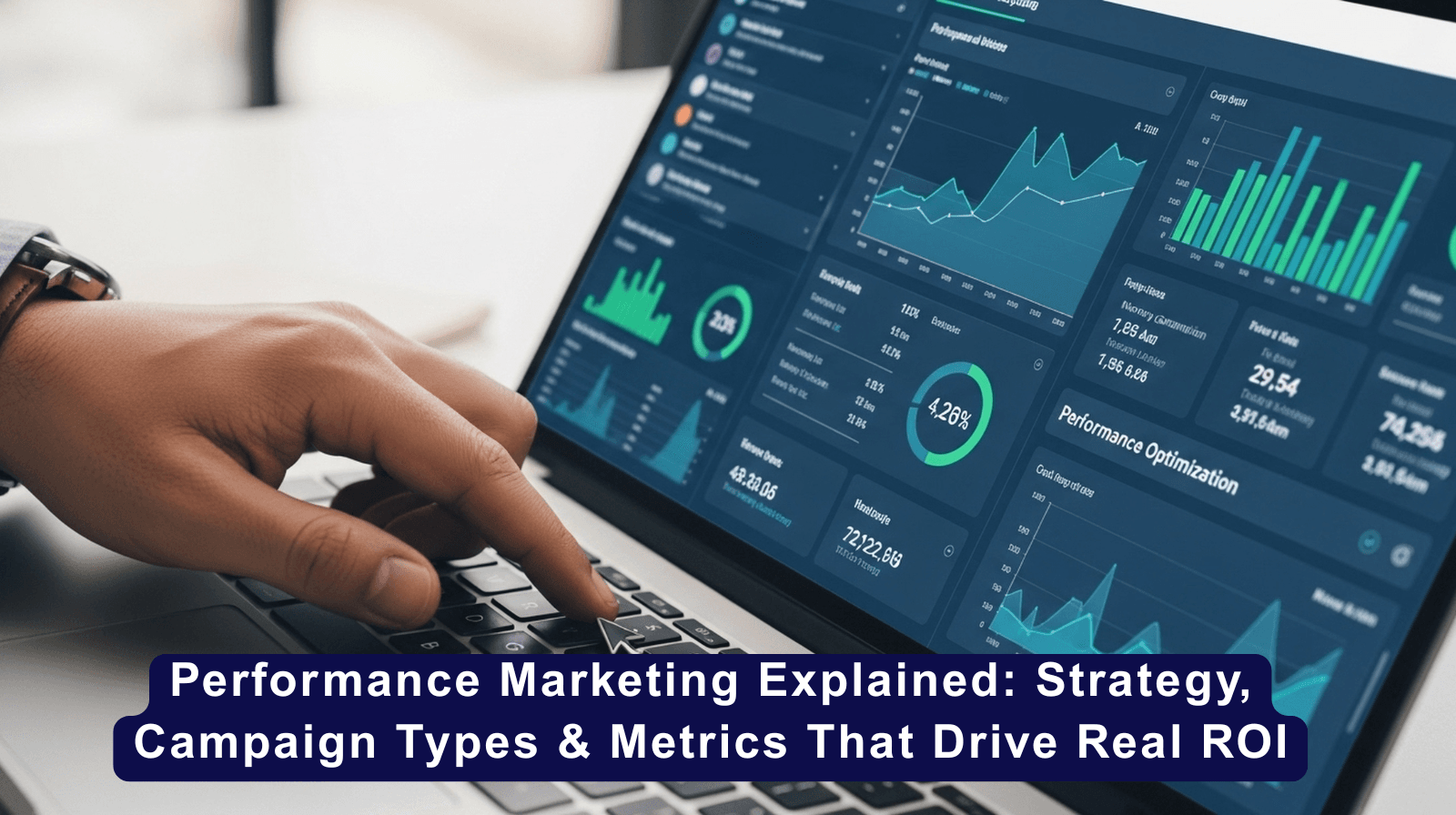
Whether you’re running paid ads, affiliate partnerships, or conversion-focused campaigns, a well-structured performance marketing strategy ensures every marketing dollar works harder. In this guide, we’ll break down performance marketing types, benefits, essential metrics, and how businesses can scale using professional performance marketing services.
In a results-driven digital world, businesses can no longer afford to invest in marketing without clear returns. That’s where performance marketing stands out. Instead of paying for impressions or visibility alone, brands invest in measurable outcomes like clicks, leads, and sales.
What Is Performance Marketing?
Performance marketing is a digital advertising model where brands pay only when a specific action is completed. These actions may include:
- Website clicks
- Form submissions
- Sales
- App downloads
- Lead generation
This outcome-based approach reduces risk and increases accountability.
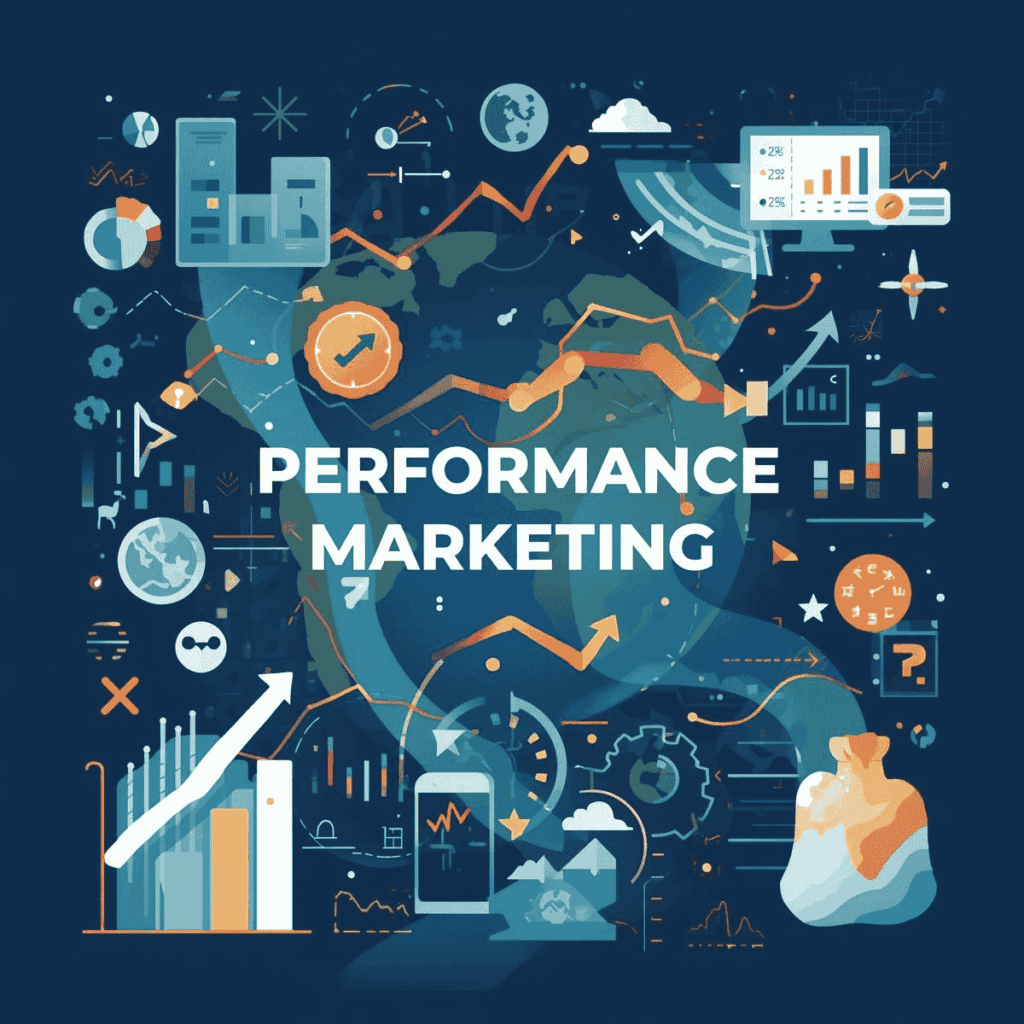
Building a Strong Performance Strategy
An effective performance marketing strategy includes:
- Clear business objectives
- Defined target audience
- Platform selection
- Structured campaign testing
- Continuous optimization
- Regular analysis of performance marketing metrics
Strategic execution separates profitable campaigns from wasted spend.
Types of Performance Marketing Campaigns
PPC remains one of the most common forms of performance marketing campaigns. Advertisers pay only when users click on their ads.
Popular PPC channels include:
- Search engines
- Social platforms
- Display networks
This model provides immediate tracking and optimization opportunities.
Affiliate programs allow brands to partner with publishers or influencers who promote products. Payment occurs only when conversions happen, making it a low-risk growth model.
Social platforms allow campaigns optimized specifically for conversions, leads, or purchases—making them ideal for scalable performance marketing campaigns.
Native ads blend seamlessly into content platforms and are optimized for engagement and conversions.
Modern influencer partnerships increasingly use trackable promo codes or affiliate links tied directly to measurable outcomes.
Key Drivers of Performance Marketing Success
Benefits of Performance Marketing
- Measurable ROI with clear action-based tracking
- Better budget control by paying only for results
- Data-driven decision-making for continuous improvement
- Lower financial risk compared to traditional advertising
- Scalable campaigns once profitability is proven
- Real-time performance monitoring and optimization
Key Performance Marketing Metrics
- Cost Per Click (CPC)
- Cost Per Acquisition (CPA)
- Return on Ad Spend (ROAS)
- Conversion Rate
- Click-Through Rate (CTR)
- Customer Lifetime Value (CLV)
Why Businesses Use Performance Marketing Service
Many companies partner with professional marketing services to:
- Access specialized expertise
- Improve campaign optimization
- Reduce wasted ad spend
- Scale faster with data-driven insights
Experienced teams manage targeting, testing, analytics, and ongoing adjustments for maximum ROI.
Common Performance Marketing Mistakes
- Tracking vanity metrics instead of conversions
- Scaling campaigns too quickly
- Ignoring landing page optimization
- Failing to test creative variations
- Neglecting customer lifetime value
Avoiding these mistakes ensures sustainable profitability.
Final Thoughts
Performance marketing is more than paid advertising—it’s a results-based growth model. By combining a structured performance marketing strategy, measurable performance marketing campaign, and accurate performance metrics, businesses can turn marketing budgets into predictable revenue engines.
When data drives decisions, growth becomes scalable.
Looking to implement high-performing marketing campaigns? Contact us today and let’s build a results-driven strategy tailored to your business.
Claim your free digital marketing audit.
Stay updated with SunBPO Solutions for the latest trends, insights, and strategies to keep your business ahead of the curve!
Frequently Asked Questions (FAQs)
Why is a performance marketing strategy important?
A structured performance marketing strategy ensures efficient budget allocation, targeting precision, and continuous optimization.
What do performance marketing services include?
Performance marketing services typically include campaign setup, audience targeting, ad optimization, tracking, reporting, and ROI analysis.
Which performance metrics matter most?
Key metrics include CPC, CPA, ROAS, CTR, conversion rate, and customer lifetime value.


0 Comments