





Table of Contents
Introduction
In today’s highly competitive digital marketplace, simply having a great product or service is no longer enough. Businesses need visibility, qualified leads, and consistent customer acquisition to achieve sustainable growth. This is where a strong paid ad strategy becomes a game-changer.
Many businesses invest in advertising but fail to generate meaningful results because they lack a clear strategy. Growing companies understand that successful paid digital advertising requires more than boosting posts or launching random campaigns. It involves audience targeting, compelling messaging, data-driven optimization, and continuous improvement.
Whether you’re a startup looking to increase brand awareness or an established company seeking more conversions, a structured marketing strategy and business approach can significantly impact your success. With the right planning and execution, businesses can maximize return on investment, generate quality leads, and outperform competitors.
This guide explores the advertising strategies that help businesses grow, the role of a paid ads manager, and the common mistakes that often hold companies back.
What Is a Paid Ad Strategy?
A paid ad strategy is a structured plan that outlines how a business uses paid advertising channels to achieve specific marketing objectives. It includes audience targeting, campaign planning, budget allocation, creative development, platform selection, and performance tracking.
A successful strategy ensures advertising efforts align with overall business goals rather than relying on guesswork.
Key objectives often include:
- Increasing brand awareness
- Generating qualified leads
- Driving website traffic
- Boosting conversions and sales
- Improving customer retention
Without a defined strategy, advertising budgets can quickly be wasted on ineffective campaigns.
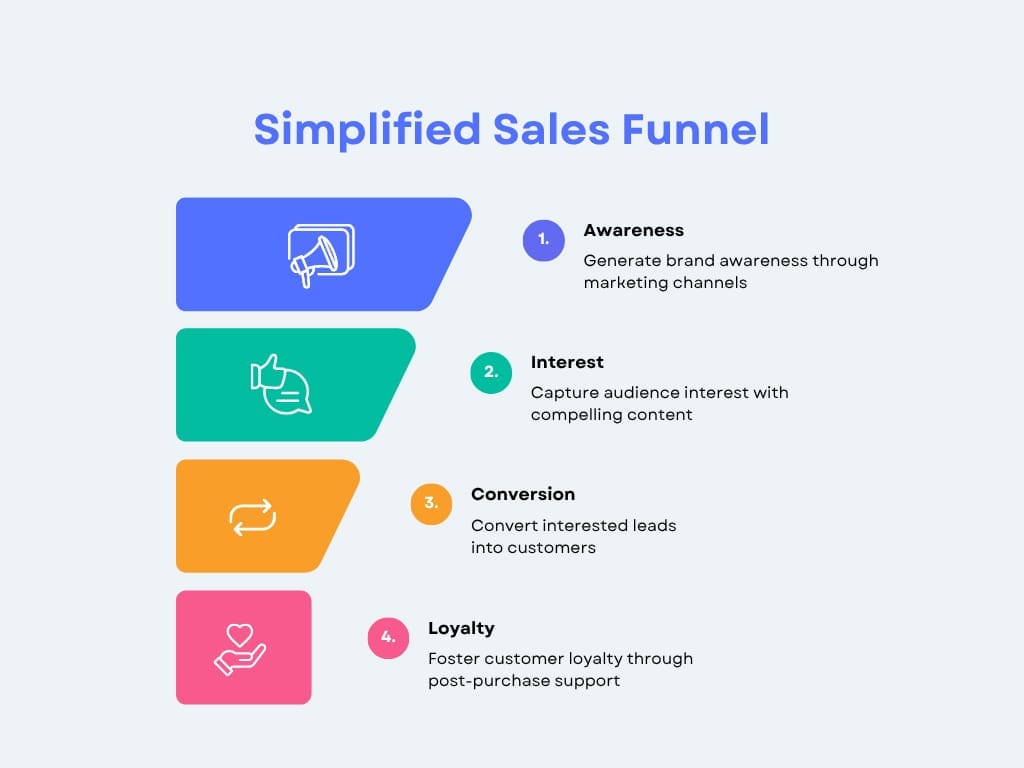
Why Growing Businesses Prioritize Advertising Strategy
Successful companies understand that advertising works best when supported by a clear plan.
- They Align Advertising with Business Goals: Every campaign supports broader growth objectives and measurable outcomes. strengthen brand awareness and customer relationships..
- They Understand Their Audience: Growing businesses invest time in researching customer demographics, interests, behaviors, and pain points.
- They Focus on Customer Needs: Instead of constantly promoting products, they create campaigns that address customer challenges and offer solutions.
- They Use Data-Driven Decisions: Performance metrics guide campaign improvements and budget allocation.
- They Build Long-Term Brand Awareness: Effective advertising creates ongoing visibility and trust rather than focusing only on short-term sales.
- They Optimize Continuously: Successful businesses regularly test audiences, creatives, and messaging to improve results.
The Core Elements of a Successful Paid Ad Strategy
Every campaign should begin with a specific goal. Common objectives include increasing website traffic, generating leads, improving brand awareness, or driving online sales.
Clear goals help businesses measure success and make informed optimization decisions.
Reaching the right audience is one of the most important factors in advertising success.
Effective targeting considers:
- Demographics
- Interests
- Purchasing behavior
- Geographic location
- Customer intent
The more precisely a business defines its audience, the more effective its advertising becomes.
Compelling visuals and persuasive messaging help capture attention in crowded digital spaces.
Successful ads often include:
- Clear value propositions
- Strong calls-to-action
- Customer-focused messaging
- Professional visuals
- Mobile-friendly design
Creative quality plays a significant role in campaign performance.
Growing businesses rarely rely on a single platform. Instead, they use a combination of channels such as:
- Google Ads
- Facebook Ads
- Instagram Ads
- LinkedIn Ads
- YouTube Ads
- Display Advertising Networks
This diversified approach increases visibility and creates multiple customer touchpoints.
Factors Contributing to Paid Advertising Success
The Role of a Paid Ads Manager
A skilled paid ads manager can make a significant difference in campaign performance.
Their responsibilities typically include:
- Audience research and targeting
- Campaign creation and management
- Budget planning
- Ad copy development
- Performance tracking
- Conversion optimization
- A/B testing and experimentation
By continuously monitoring campaign data, a paid ads manager helps businesses improve efficiency and maximize return on
Common Advertising Mistakes That Hold Businesses Back
Many businesses struggle because they make avoidable advertising mistakes.
- Inconsistent Brand Messaging: Confusing messaging can weaken brand recognition and customer confidence. maximize the effectiveness of social media efforts.
- Targeting the Wrong Audience: Even great ads perform poorly when shown to the wrong people.
- Ignoring Data and Analytics: Without tracking performance, businesses cannot identify opportunities for improvement.
- Using Weak Ad Creatives: Poor visuals and unclear messaging reduce engagement and conversions.
- Failing to Test Campaigns: Businesses that do not experiment with different audiences and creatives often miss growth opportunities.
- Focusing Only on Sales: Effective advertising builds awareness and trust before asking customers to purchase.
Why Continuous Optimization Matters
One of the biggest differences between successful businesses and struggling ones is their commitment to optimization.
A strong paid ad strategy requires ongoing monitoring and improvement. Businesses should regularly analyze:
- Click-through rates (CTR)
- Conversion rates
- Cost per acquisition (CPA)
- Return on ad spend (ROAS)
- Audience engagement metrics
Industry Insights: The Future of Paid Digital Advertising
The future of paid digital advertising is increasingly driven by automation, artificial intelligence, and advanced audience targeting.
Businesses are now leveraging machine learning tools to optimize bidding strategies, personalize ad experiences, and improve campaign performance. First-party data is becoming more valuable as privacy regulations evolve and third-party tracking becomes less reliable.
Video advertising, interactive content, and mobile-first campaigns continue to gain importance as consumer behavior shifts toward immersive digital experiences.
Final Thoughts
The difference between growing businesses and struggling ones often comes down to strategy rather than spending. A well-planned paid ad strategy helps businesses attract qualified leads, increase brand visibility, improve conversions, and achieve measurable growth.
Successful companies understand that paid digital advertising is not simply about running ads. It requires audience research, compelling creative content, data analysis, and continuous optimization. Whether managed internally or by a professional paid ads manager, effective advertising can become one of the most powerful drivers of business success.
By investing in a strategic and data-driven advertising approach, businesses can maximize their marketing budget and build a sustainable path toward long-term growth.
Claim your free digital marketing audit.
Stay updated with SunBPO Solutions for the latest trends, insights, and strategies to keep your business ahead of the curve!
Frequently Asked Questions (FAQs)
Why is audience targeting important in paid digital advertising?
Audience targeting ensures advertisements reach the people most likely to engage, convert, and become customers.
What does a paid ads manager do?
A paid ads manager oversees campaign creation, audience targeting, budgeting, performance analysis, and optimization to improve advertising results.
Which platforms are best for paid advertising?
Popular platforms include Google Ads, Facebook Ads, Instagram Ads, LinkedIn Ads, YouTube Ads, and display advertising networks.



0 Comments