





Table of Contents
Introduction
In today’s digital-first world, attention is the new currency. With users scrolling faster than ever, brands can no longer rely on text-heavy content alone. This is where visual content marketing becomes a powerful growth driver. When paired with a clear visual content strategy, visuals don’t just support your message — they actively bring traffic, engagement, and conversions.
In this blog, you’ll learn how to use visuals strategically, align them with your content strategy in digital marketing, and build a scalable visual strategic plan that helps your content stand out and perform.
What Is Visual Content Marketing?
Visual content marketing is the use of images, videos, infographics, illustrations, charts, and branded graphics to communicate ideas, educate audiences, and promote content more effectively. Unlike decorative visuals, strategic visual content is designed with purpose — to guide users, improve understanding, and increase visibility across search engines and social platforms.
When visuals are planned as part of a broader content strategy digital marketing, they amplify reach and improve how users interact with your content.without increasing in-house workload..
Understanding Visual Content Strategy
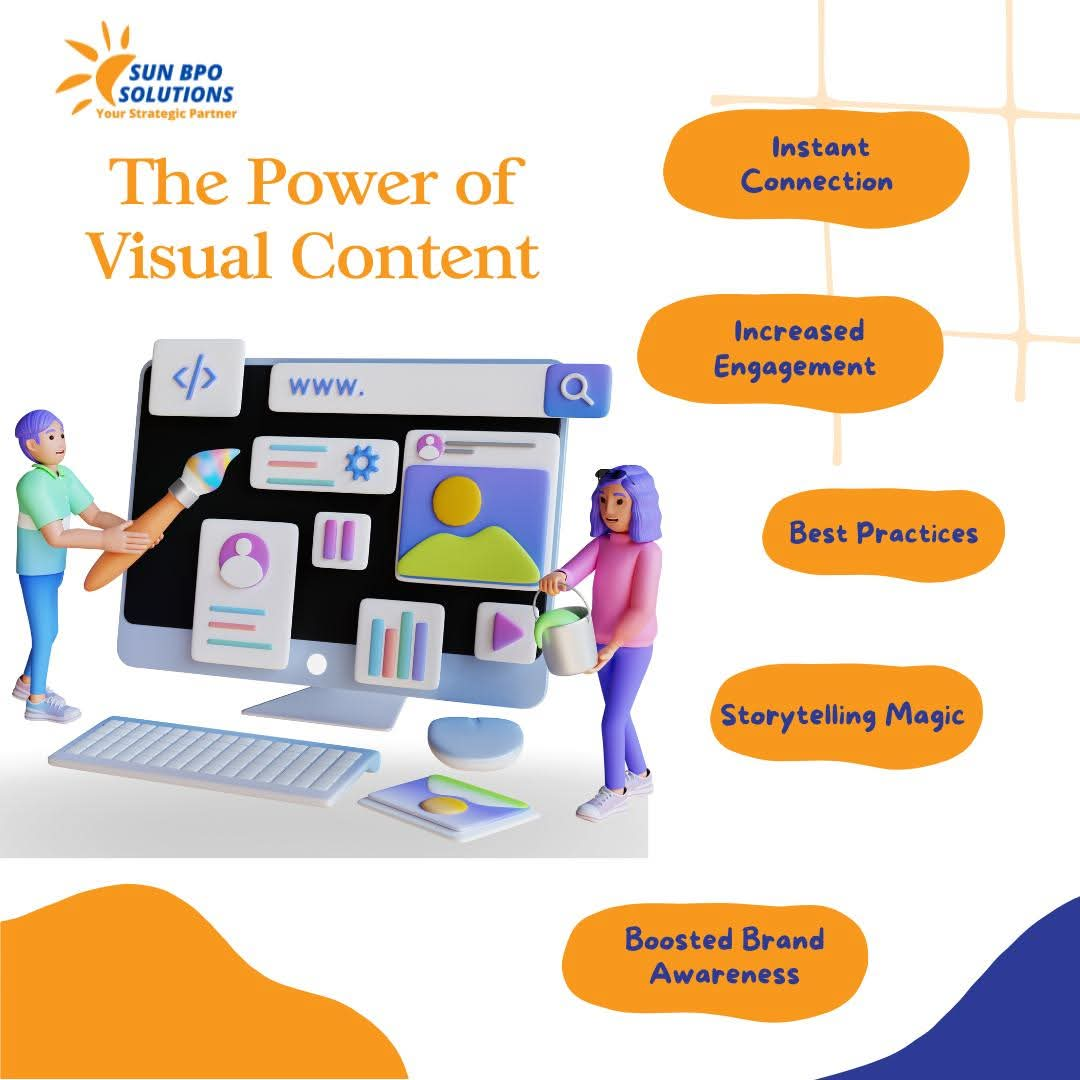
A visual content strategy defines how, where, and why visuals are used across your digital channels. It ensures every visual asset aligns with:
- Your brand identity
- Audience preferences
- Platform requirements
- SEO and performance goals
Instead of randomly adding images, a strategy ensures visuals support traffic growth, engagement, and conversions.
Why Visuals Play a Key Role in Digital Marketing Content Strategy
Visuals directly influence how users consume content. Pages with relevant visuals tend to perform better because they:
- Increase time spent on page
- Reduce bounce rates
- Improve content readability
- Encourage social sharing
- Support search engine optimization
This is why modern content strategy digital marketing plans place visuals at the core, not as an afterthought.
Best Visual Content Types That Drive Traffic
✅Every blog post should include a strong featured image: this picture represents your article in social media shares and search engine previews. It’s often the first thing users see before clicking
Infographics are ideal for summarizing data, processes, or comparisons. They:
- Simplify complex topics
- Attract backlinks
- Perform well on social platforms
They are a strong asset in any visual strategic plan focused on organic traffic.
Videos increase dwell time and help explain ideas faster than text. Tutorials, explainers, and short-form clips work especially well in blog posts and landing pages.
Data visuals make insights easier to understand and more credible. They’re essential for educational and analytical content.
Custom-designed social graphics extend the life of your content and drive referral traffic back to your website.
Optimized images help your content appear in image search results and improve accessibility. Use:
- Descriptive file names
- Relevant alt text
- Proper image compression
This strengthens both SEO and user experience.
Visual Content Marketing Focus
Building a Visual Strategic Plan
A visual strategic plan helps you scale content without losing consistency or performance. Here’s how to build one:
- Define Clear Goals
Decide whether your visuals are meant to:
- Drive traffic
- Improve engagement
- Increase conversions
- Support brand awareness
Each goal requires a different visual approach.
2. Know Your Audience
Understand what types of visuals your audience prefers — data-driven, educational, or inspirational. This ensures relevance and stronger engagement.
3. Align Visuals With Content Goals
Every visual should support the message of the content, not distract from it. This alignment strengthens your overall visual content strategy.
4. Plan for Distribution
Create visuals with reuse in mind — blogs, social posts, email campaigns, and landing pages. One strong visual can serve multiple channels.. uses EGD differently, but the objective remains the same: guide behavior and shape experience through design.
Business Benefits of Virtual Assistant Marketing Support
- Faster email response times
- Better lead nurturing and follow-ups
- Organized communication systems
- Reduced operational costs
- Improved customer satisfaction
- Scalable marketing operations
With the right setup, virtual assistants become an extension of your marketing and operations team.
Content Strategy Tools That Support Visual Planning
The right content strategy tools help manage, design, and optimize visual content efficiently. These tools support:
- Content planning and scheduling
- Visual asset organization
- Performance tracking
- Collaboration across teams
Using structured tools ensures your visuals remain consistent, measurable, and aligned with your digital marketing goals.
Best Practices for High-Performing Visual Content
- Maintain consistent brand colors, fonts, and styles
- Optimize visuals for mobile-first viewing
- Keep designs clean and uncluttered
- Use visuals to guide users toward CTAs
- Regularly analyze performance and refine
These practices ensure your visual content marketing efforts continue to generate traffic over time.
Common Visual Content Mistakes to Avoid
- Using visuals without a clear purpose
- Ignoring image SEO best practices
- Overloading pages with heavy files
- Inconsistent visual branding
- Creating visuals without tracking results
Avoiding these mistakes keeps your strategy efficient and results-driven.
Measuring Visual Content Performance
Track key metrics such as:
- Page views and average time on page
- Image search traffic
- Social shares and clicks
- Conversion rates
These insights help refine your visual strategic plan and improve ROI.
Final Thoughts
A strong visual content strategy is no longer optional in digital marketing — it’s essential. When visuals are aligned with your content strategy, digital marketing goal,s and supported by the right content strategy tools, they become powerful drivers of traffic, engagement, and growth.
By planning visuals with intent and optimizing them for both users and search engines, brands can turn simple content into high-performing digital assets.
Ready to Boost Your Digital Growth?
Let us help you build a results-driven visual content marketing strategy that attracts traffic, strengthens engagement, and converts visitors into customers. Contact us today to elevate your digital presence.
Claim your free digital marketing audit.
Stay updated with SunBPO Solutions for the latest trends, insights, and strategies to keep your business ahead of the curve!
Frequently Asked Questions (FAQs)
How does a visual content strategy increase website traffic?
A visual content strategy improves engagement, reduces bounce rates, increases shareability, and enhances SEO signals like time on page, which helps attract more organic and referral traffic.
What types of visuals work best for content strategy in digital marketing?
SEO-optimized images, infographics, videos, charts, and social media visuals work best when aligned with audience intent and platform requirements.
Are visuals important for SEO?
Yes. Optimized visuals improve user experience, increase dwell time, support image search rankings, and strengthen overall on-page SEO performance.


0 Comments