





Table of Contents
Introduction
In modern marketing, content and social media are no longer separate efforts — they work together to build brand authority, engagement, and conversions. Businesses that invest in a skilled social strategist are able to align storytelling, distribution, and analytics into a unified growth strategy.
As competition increases, digital content marketing has shifted from posting frequently to delivering meaningful, strategic experiences. Understanding how social media vs content marketing differ — and how they complement each other — is essential for sustainable growth.
What Is Content and Social Media Strategy?
A combined content and social media strategy focuses on creating valuable content and distributing it across platforms strategically.
It involves:
- Content planning
- Platform-specific optimization
- Audience targeting
- Brand storytelling
- Performance analysis
- Conversion alignment
This integration ensures content reaches the right audience at the right time. campaigns, a strategy ensures every email contributes to business growth. while maintaining quality and consistency.
Role of a Social Media Strategist in Content Marketing
A social media strategist bridges creativity and analytics.
Key responsibilities include:
- Building content calendars
- Identifying content opportunities
- Optimizing platform formats
- Tracking engagement metrics
- Aligning campaigns with business goals
Their role ensures digital content marketing produces a measurable impact rather than just visibility.
Social Media vs Content Marketing: Understanding the Difference
While closely related, these areas serve different purposes.
Content marketing focuses on creating valuable assets such as blogs, videos, and guides.
Social media marketing focuses on distributing and amplifying that content through platforms.
Together they:
- Increase reach
- Strengthen brand authority
- Improve customer relationships
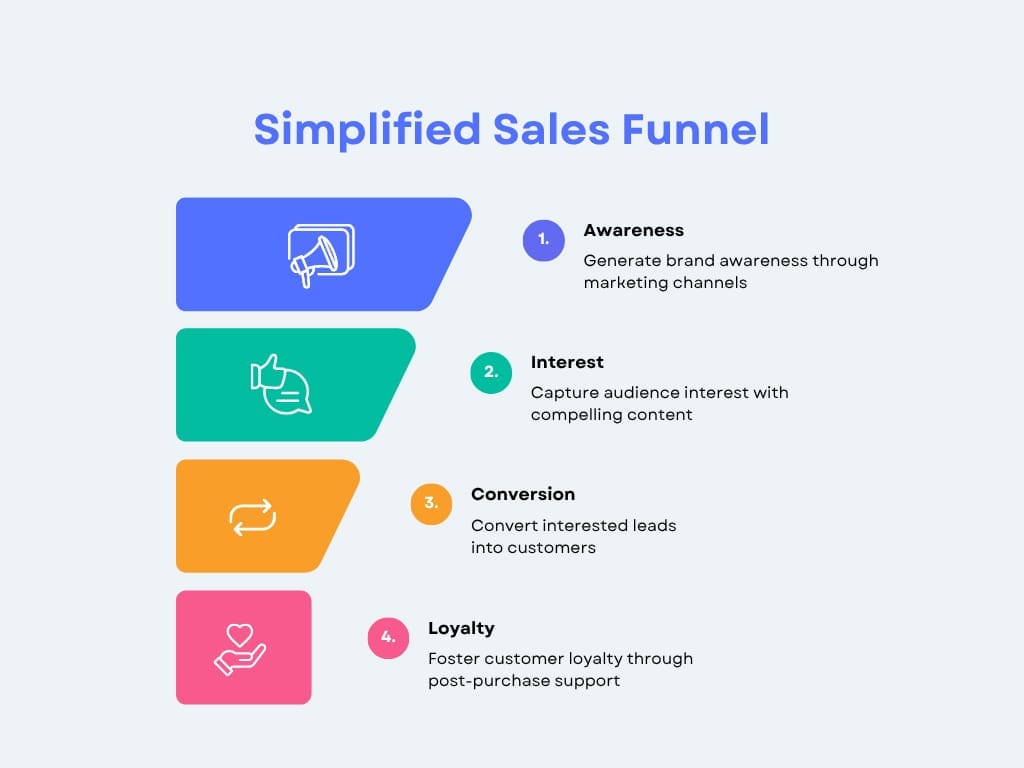
- Support conversion funnels
How Strategists Build High-Impact Content and Social Media Campaigns
Understanding audience behavior helps shape messaging that resonates across platforms.
This improves engagement and relevance.
Strategists create structured calendars to maintain consistency.
Planning ensures digital content marketing remains aligned with business objectives..
Different platforms require different formats.
A strategist adapts content to maximize performance.
Analytics reveal which content performs best.
Insights help refine both content creation and distribution strategies.
Strategists monitor industry trends while maintaining brand identity.
This keeps campaigns fresh without losing consistency.
Strategy evolves based on performance metrics.
Regular improvements drive long-term growth.
Impact of Content & Social Media Strategy
Good vs Poor Content and Social Media Strategy
✅ Effective Approach
- Clear content pillars
- Consistent posting
- Strong storytelling
- Performance tracking
- Strategic distribution
❌ Unstructured Approach
- Random posting
- Inconsistent messaging
- No analytics
- Over-promotion
- Trend chasing
Strategy transforms activity into results
Popular Digital Content Marketing Formats
- Educational posts
- Short-form video
- Thought leadership
- Case studies
- Carousels
- Interactive content
- Industry insights
Mixing formats improves reach and retention.
Common Mistakes Brands Make
Separating content and distribution
Ignoring analytics
Inconsistent branding
Over-focusing on trends
Lack of audience segmentation
Weak storytelling
Avoiding these improves performance quickly.
Tools Used by Social Media Strategists
- Scheduling platforms
- Analytics dashboards
- SEO research tools
- Design tools
- Content planning systems
- AI content assistants
The right tools support scalable digital content marketing.
Future of Digital Content Marketing in 2026
Marketing is becoming more personalized and data-driven.
Expect:
- AI-assisted content planning
- Predictive engagement insights
- Personalized social feeds
- Interactive formats
- Creator partnerships
The role of a social media strategist will become increasingly strategic.
Final Thoughts
Strong alignment between content and social media is essential for brand growth. Businesses that understand the relationship between social media and content marketing can create cohesive campaigns that drive engagement and conversions.
Rather than posting without direction, organizations must adopt structured digital content marketing supported by strategic distribution.
An experienced strategist turns content into a long-term growth asset.
Want a strategic content and social media framework that drives results? Contact us today and let’s grow your brand presence.
Claim your free digital marketing audit.
Stay updated with SunBPO Solutions for the latest trends, insights, and strategies to keep your business ahead of the curve!
Frequently Asked Questions (FAQs)
What is the difference between social media and content marketing?
Content marketing focuses on creation, while social media focuses on distribution and engagement.
Why is digital content marketing important?
It builds authority, drives traffic, and supports long-term brand growth.
Which platforms are best for content distribution?
LinkedIn, Instagram, YouTube, and emerging short-form platforms.

0 Comments