




Table of Contents
Introduction
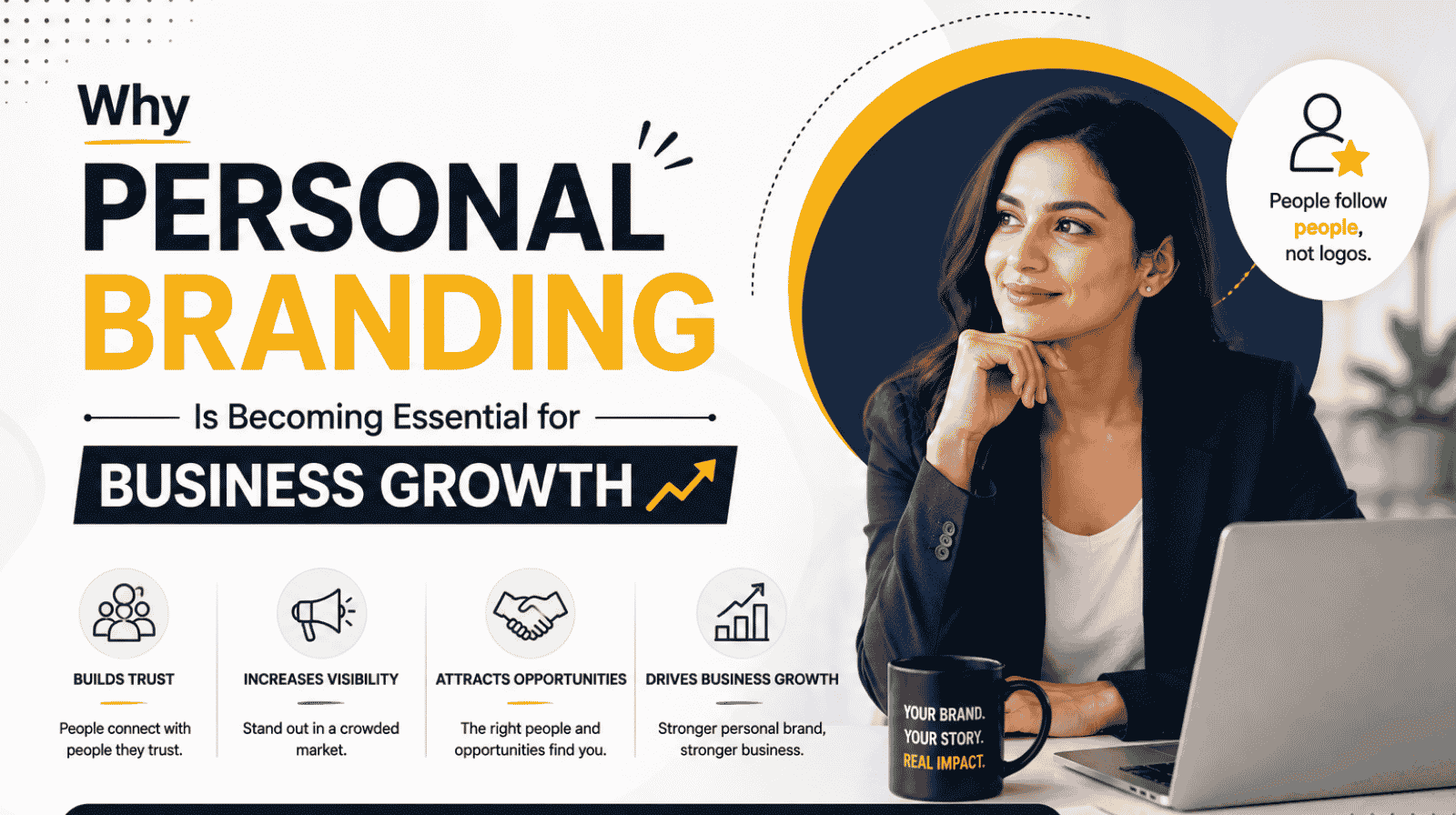
In today’s competitive digital landscape, people often trust individuals before they trust companies. Whether someone is hiring a consultant, purchasing a service, or choosing a business partner, they frequently research the person behind the brand first. This shift has made personal branding one of the most powerful tools for business growth.
A strong personal branding strategy helps professionals showcase expertise, build credibility, and create meaningful connections with their audience. From entrepreneurs and freelancers to executives and business owners, professionals who invest in their personal brands often attract more opportunities and establish greater authority within their industries.
With platforms like LinkedIn, Instagram, YouTube, and X becoming key networking and marketing channels, personal branding in social media has become more important than ever. The good news is that building a personal brand does not require celebrity status—it simply requires consistency, authenticity, and a clear message.
What Is Personal Branding?
Personal branding is the process of intentionally shaping how others perceive you professionally. It involves communicating your expertise, values, personality, and unique strengths through content, communication, networking, and online presence.
A strong personal brand helps people understand:
- Who you are.
- What you do.
- What you stand for.
- Why they should trust you.
Unlike traditional corporate branding, personal branding focuses on building authentic human connections that strengthen credibility and influence.
Why Personal Branding Matters More Than Ever
Consumer behavior has changed dramatically over the past decade. Buyers increasingly seek transparency and authenticity before making decisions.
People want to know who they are working with, not just which company they are buying from.
A strong personal branding strategy helps professionals:
- Build trust faster.
- Establish industry authority.
- Increase visibility.
- Generate business opportunities.
- Strengthen customer relationships.
In many industries, a recognizable personal brand can become a significant competitive advantage.
How Personal Branding Supports Business Growth
Trust is often the deciding factor in business relationships.
When professionals consistently share valuable insights, industry expertise, and authentic experiences, they become trusted voices within their market.
This trust often translates into increased inquiries, referrals, and customer loyalty.
A strong personal brand helps professionals become more discoverable online.
Publishing articles, participating in industry discussions, speaking at events, and maintaining an active social media presence all contribute to increased visibility.
As visibility grows, so do opportunities for partnerships, media coverage, and business development.
Many businesses offer similar products and services. Personal branding helps distinguish individuals from competitors by highlighting unique perspectives, expertise, and experiences.
Customers often choose people they trust over businesses with similar offerings.
A recognizable personal brand can attract speaking engagements, partnerships, collaborations, referrals, and new business opportunities.
How Consumers Discover Brands Online
The Role of Content in Personal Branding
Content is one of the most powerful tools for building a personal brand.
Through blogs, videos, podcasts, social media posts, and thought leadership articles, professionals can demonstrate expertise while providing value to their audience.
Consistent content creation helps establish authority and keeps professionals visible within their industry.
Effective content often includes:
- Industry insights.
- Educational resources.
- Case studies.
- Personal experiences.
- Professional opinions.
This approach helps build stronger relationships with audiences while reinforcing expertise.
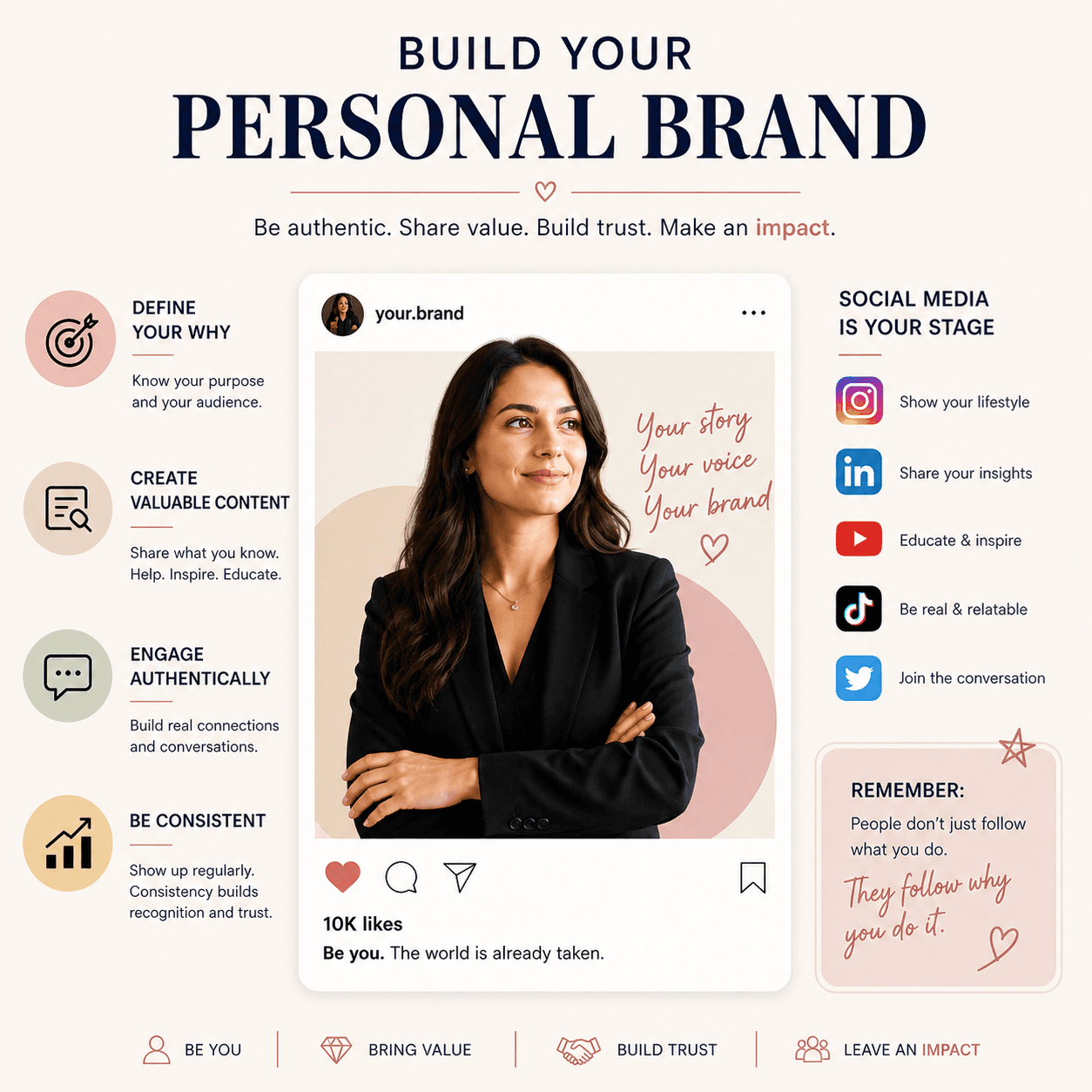
Personal Branding and Social Media
Social media platforms have become essential channels for personal branding.
Platforms such as LinkedIn, X, YouTube, Instagram, and Facebook allow professionals to share knowledge, engage with audiences, and expand their networks.
LinkedIn, in particular, has become a powerful platform for professional visibility and thought leadership.
An effective personal branding strategy uses social media not just for promotion but for relationship building and value creation.
Common Personal Branding Mistakes
While personal branding offers significant benefits, many professionals make avoidable mistakes.
Common challenges include:
- Inconsistent messaging.
- Lack of authenticity.
- Irregular content publishing.
- Overly promotional content.
- Ignoring audience engagement.
Successful personal brands focus on providing value rather than constantly selling products or services.
Industry Insights: Why Personal Branding Is Becoming a Business Asset
The digital marketplace is more crowded than ever, making trust a critical factor in purchasing decisions. Research consistently shows that consumers are more likely to engage with businesses led by visible, credible, and knowledgeable professionals. This is why personal branding has evolved from a career-development tactic into a powerful business growth strategy.
Today, business leaders, consultants, freelancers, and entrepreneurs are investing heavily in personal branding in social media because it helps them connect directly with audiences. Platforms like LinkedIn and YouTube have created opportunities for professionals to build authority without relying solely on traditional advertising.
A well-executed personal branding strategy also supports business marketing efforts. When company leaders are recognized as experts, customers are more likely to trust the organization they represent. This trust often leads to stronger customer relationships, improved lead generation, and higher conversion rates.
Businesses that combine corporate branding with strong personal brands frequently gain a competitive advantage because customers feel connected to the people behind the business.
Final Thoughts
In today’s relationship-driven marketplace, personal branding is no longer optional. Customers want to know the people behind the businesses they support, and professionals who build authentic personal brands are better positioned to earn trust and stand out from competitors.
An effective personal branding strategy helps establish authority, increase visibility, and create opportunities that drive long-term business growth. Through consistent content creation, industry engagement, and strategic networking, professionals can strengthen their reputation and expand their influence.
The growing importance of personal branding in social media means that professionals have more opportunities than ever to connect directly with their audience. By implementing proven personal branding ideas and focusing on delivering value, individuals can build a recognizable presence that benefits both their career and their business.
Claim your free digital marketing audit.
Stay updated with SunBPO Solutions for the latest trends, insights, and strategies to keep your business ahead of the curve!
Frequently Asked Questions (FAQs)
How does personal branding in social media help business growth?
Personal branding in social media allows professionals to share expertise, engage with audiences, build authority, and generate leads through platforms like LinkedIn, Instagram, and YouTube.
What are some effective personal branding ideas?
Popular personal branding ideas include sharing industry insights, publishing educational content, telling authentic stories, participating in discussions, and showcasing professional achievements.
How long does it take to build a personal brand?
Building a strong personal brand is an ongoing process. Consistent effort over several months can significantly improve visibility, credibility, and audience engagement.
0 Comments