



Table of Contents
Introduction
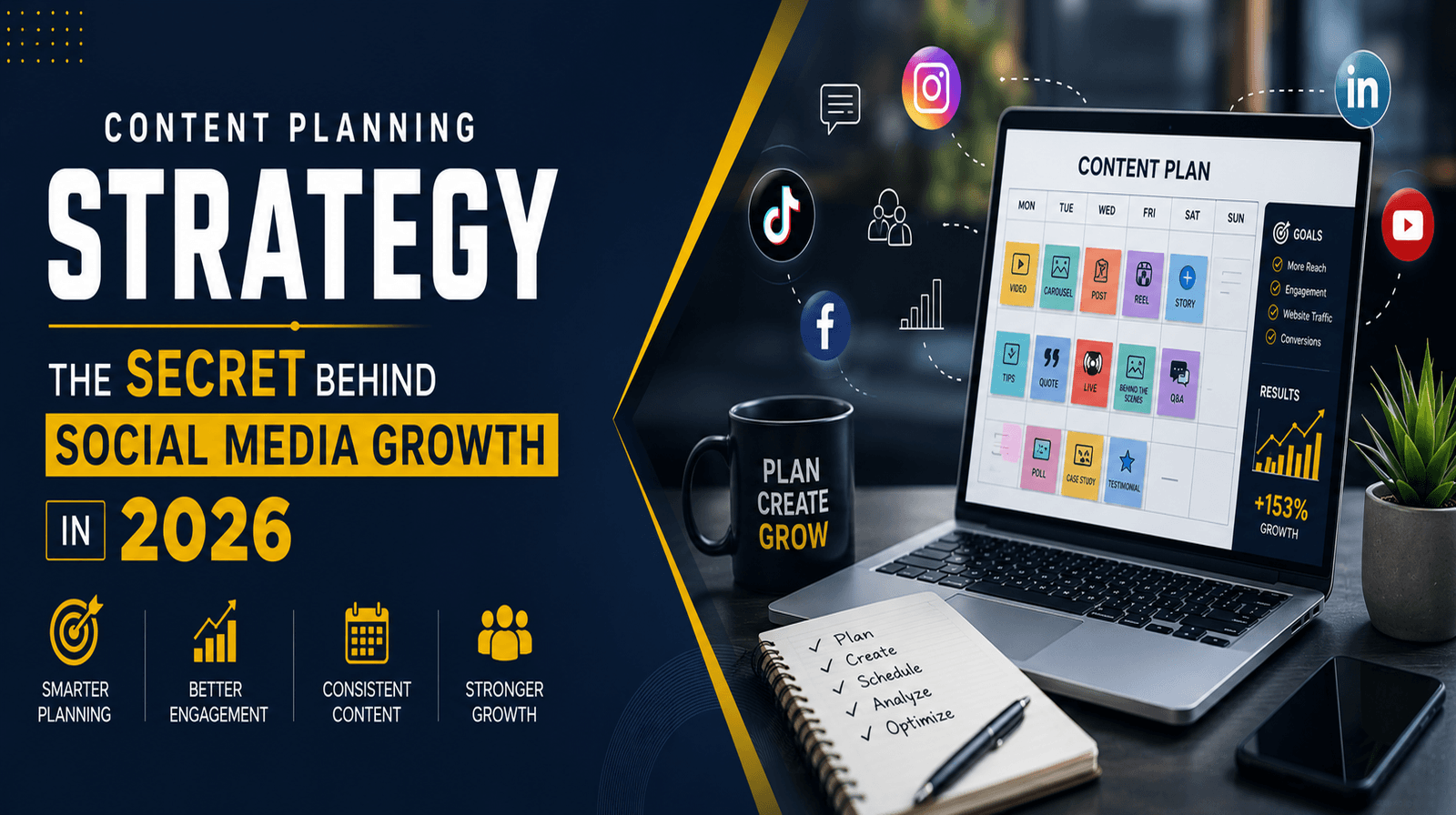
In today’s crowded digital landscape, brands can no longer rely on random posting to succeed online. Businesses that consistently grow on social media follow a structured content planning strategy designed to improve engagement, maintain consistency, and strengthen brand visibility.
Successful brands understand that social media growth requires more than creativity—it requires organization, audience research, and long-term planning. This is why modern businesses now focus heavily on content planning social media systems that streamline workflows and improve performance.
Whether you are building a personal brand or scaling a business, having a structured online content plan is essential for sustainable digital growth.
What Is a Content Planning Strategy?
A content planning strategy is a structured process used to organize, schedule, and optimize content before publishing.
It typically includes:
- Content calendars
- Audience targeting
- Campaign planning
- Scheduling workflows
- Performance tracking
- Content repurposing
Instead of posting without direction, a strategy ensures every piece of content supports business goals.
Why Content Planning Matters for Social Media
Consistency is one of the most important factors in social media success.
Benefits include:
- Better audience engagement
- Improved content quality
- Stronger brand consistency
- Increased productivity
- Better campaign organization
Businesses using effective content planning social media systems often experience stronger long-term engagement and visibility. opportunities.
Key Elements of an Effective Online Content Plan
A successful online content plan combines creativity with structure.
Core elements include:
- Clear content goals
- Audience research
- Organized content themes
- Posting schedules
- Performance analysis
- Optimization strategies
These elements help businesses maintain consistency while improving efficiency.
How to Build a Successful Content Planning Strategy
Google Ads helps businesses appear at the top of search results quickly.
Benefits include:
- Faster exposure
- Increased website visits
- Better local reach
Visibility improves lead opportunities.
Audience-focused content performs better.
Businesses should analyze:
- Interests
- Content behavior
- Pain points
- Platform preferences
Understanding your audience improves engagement and relevance. significantly.
A content calendar improves consistency and workflow management.
It helps businesses:
- Plan posts in advance
- Organize campaigns
- Maintain posting frequency
Planning ahead reduces last-minute stress. easier and more profitable
Content themes create structure and variety.
Examples include:
- Educational posts
- Industry insights
- Promotional campaigns
- Behind-the-scenes content
- User-generated content
Themes improve content balance across platforms. high buying intent
Repurposing increases efficiency.
Examples include:
- Blogs into social media posts
- Videos into reels
- Podcasts into quote graphics
- Webinars into carousels
One idea can generate multiple content formats. for small businesses.
Tracking performance helps businesses optimize future content.
Important metrics include:
- Engagement rate
- Reach and impressions
- Click-through rate
- Shares and saves
Analytics improve decision-making.
Core Elements of Content Planning
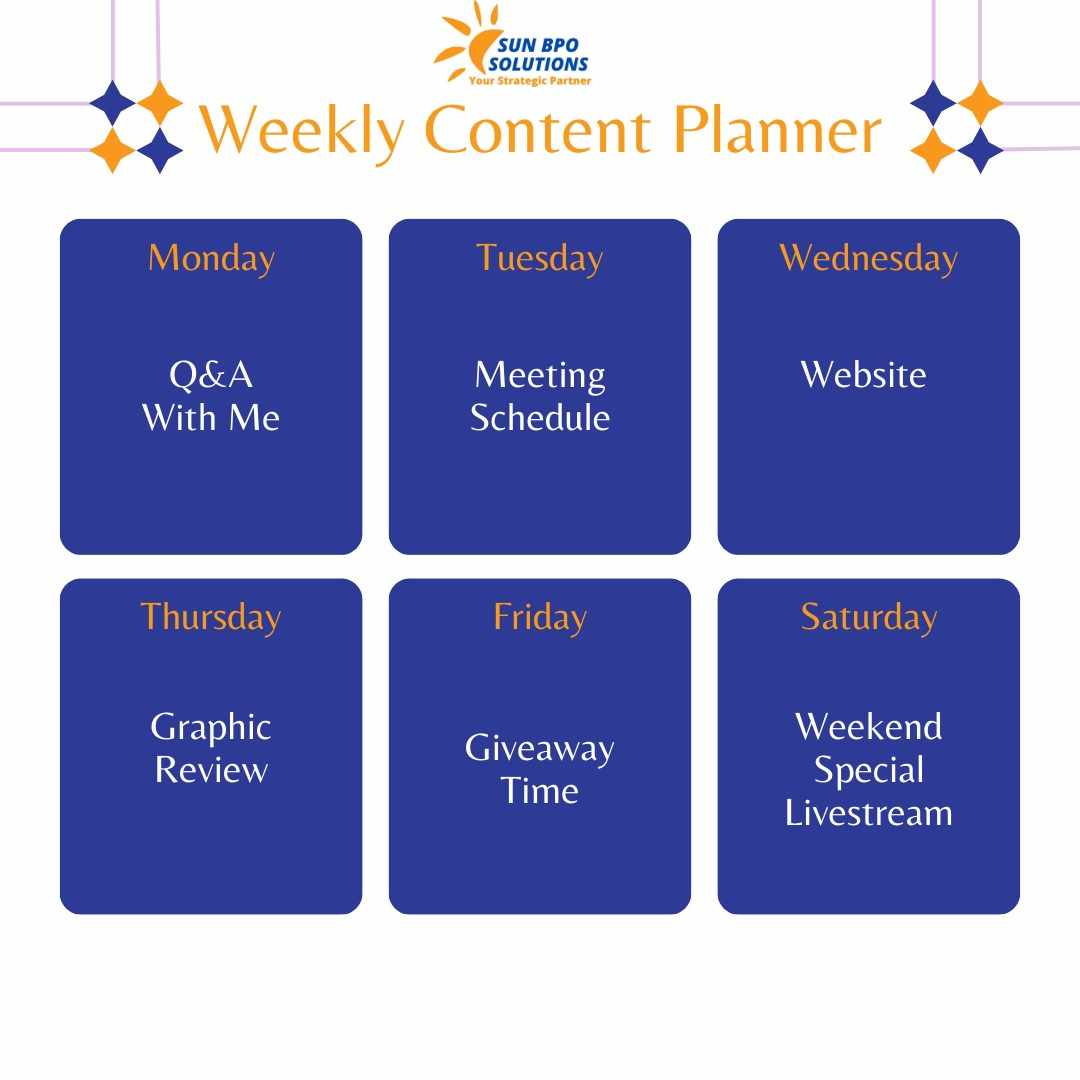
Content Strategy Example for Social Media Growth
A simple content strategy example may include:
- Monday → Educational content
- Wednesday → Industry insights
- Friday → Promotional content
- Weekend → Community engagement posts
This structure improves consistency while balancing content variety.
Common Content Planning Mistakes
Businesses often struggle because they:
- Post without a strategy
- Ignore audience insights
- Focus too much on promotion
- Create inconsistent branding
- Fail to track performance
Avoiding these mistakes improves long-term results. targeting and campaign management.
Best Tools for Content Planning
Businesses use several tools to streamline workflows and scheduling.
Popular tools include:
- Trello
- Notion
- Buffer
- Hootsuite
These tools simplify collaboration and content management.
Future Trends in Content Planning
Content marketing continues evolving rapidly.
Key trends include:
- AI-powered content workflows
- Personalized content experiences
- Automated scheduling systems
- Short-form video dominance
- Community-first strategies
Businesses adapting early will stay competitive in 2026.
Final Thoughts
A strong content planning strategy helps businesses stay organized, improve engagement, and create consistent social media growth. By building a structured online content plan and studying a successful content strategy example, brands can improve workflow efficiency and audience relationships.
In 2026, businesses that focus on strategic content systems instead of random posting will achieve stronger digital growth and better marketing performance.
Want a smarter social media strategy that improves engagement and consistency? Contact us today and let’s build a powerful content planning system for your brand.
Claim your free digital marketing audit.
Stay updated with SunBPO Solutions for the latest trends, insights, and strategies to keep your business ahead of the curve!
Frequently Asked Questions (FAQs)
Why is content planning important for social media?
It improves consistency, engagement, and workflow efficiency.
Can you give a content strategy example?
A weekly content mix of educational, promotional, and engagement-focused posts is a common strategy example.
What is an online content plan?
It is a schedule and strategy used to organize digital content across platforms.



0 Comments